
2026 Best Brine Bromine Extraction Equipment Suppliers?

Time:2026-10-30 Author:Isabella
0%

Choosing the right Brine Bromine Extraction Equipment supplier in 2026 takes more than comparing capacity figures. Brine composition varies. Temperature, impurities, and seasonal changes can affect process stability. A supplier’s design should address those conditions, not just quote an attractive output rate.

This guide compares suppliers through practical details: process design, corrosion-resistant materials, control systems, commissioning, spare parts, and technical support. Look for clear explanations of how equipment handles changing brine quality. Ask how operators monitor performance and respond when readings drift. Small details matter. A poorly planned maintenance interval can outweigh a polished proposal.

A named expert quotation should be checked against a published interview or technical source. No verifiable expert quotation was provided for this introduction, so attributing one would risk misleading readers. That limitation is worth stating. Supplier claims also deserve scrutiny: a tidy brochure cannot replace operating references, documented performance, and specific service commitments. Some comparisons may remain imperfect, since projects differ in feed chemistry and operating goals. The strongest shortlist is the one that makes those differences visible.
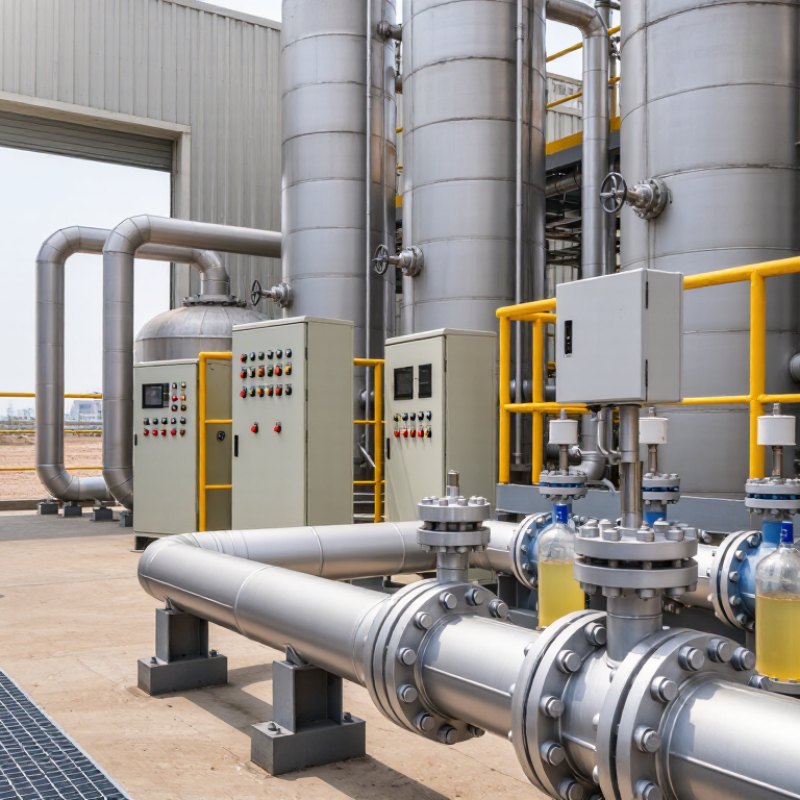
2026 Best Brine Bromine Extraction Equipment Suppliers?

What Brine Bromine Extraction Equipment Does

Brine bromine extraction equipment separates dissolved bromide from concentrated saltwater and converts it into recoverable bromine. A typical plant uses feed pumps, filters, acid dosing, and chlorine injection. The oxidation step releases bromine from the brine. Air or steam then strips the bromine into an absorption tower, where it is captured for further separation and purification. Pumps, corrosion-resistant piping, heat exchangers, and process controls keep flow and temperature within operating limits. The details matter.

The U.S. Geological Survey’s Mineral Commodity Summaries 2024 estimated global bromine production at about 430,000 metric tons in 2023. That scale makes reliable brine handling and emissions control important design considerations. Suppliers should provide equipment matched to brine chemistry, throughput, temperature, and site-specific corrosion risks—not just a standard process diagram.

Operators also need sampling points, leak detection, and accessible maintenance areas; a cramped pump bay can turn routine seal replacement into a serious delay. A weakness in many project plans is assuming feed composition stays constant. It often does not. Regular brine analysis helps adjust dosing and protect downstream equipment.

These systems need careful commissioning, too.

(USGS, Mineral Commodity Summaries 2024, “Bromine.”)

How Bromine Extraction Systems Process Brine

How Bromine Extraction Systems Process Brine

A brine extraction line begins with filtration and, when needed, pH adjustment. Operators then oxidize dissolved bromide, commonly with chlorine, to form bromine. Air or steam strips the bromine from the liquid into a gas stream. An absorber captures it for purification and conversion into a saleable product. The brine left behind needs careful handling; salt, organics, and changing temperatures can upset performance. The USGS Mineral Commodity Summaries 2025 identifies the United States, China, Israel, and Jordan among the main bromine-producing countries, showing why feed chemistry and local operating conditions matter.

Four key regions. But every brine is different.

When comparing suppliers, ask for mass-balance data, corrosion-resistant materials, and pilot-test results using your actual brine. Check how the system controls chlorine dosing, monitors bromine carryover, and treats residual streams. A polished process diagram is not proof of steady recovery. Request energy and reagent use per tonne of bromine, plus documented operating ranges. The USGS report also tracks bromine production and trade, useful context for evaluating supply-chain exposure, but it cannot predict a specific plant’s yield.

Tips: Test seasonal brine samples before equipment selection. Record bromide concentration, pH, temperature, and suspended solids. Small changes can matter. Don’t assume a vendor’s “typical” recovery rate will transfer to your site; that assumption deserves a second look.

Which Equipment and Services Suppliers Provide

Brine bromine extraction suppliers may provide more than a process vessel. Typical packages include brine pumps, strainers, chemical dosing skids, air blowers, stripping towers, absorption columns, and heat exchangers. They may also supply corrosion-resistant piping, valves, and instruments for tracking flow, temperature, and pressure. The right materials depend on brine chemistry, operating conditions, and the plant’s maintenance capacity. Details matter.

Service offerings can cover process design, equipment sizing, installation supervision, commissioning, operator training, and scheduled maintenance. Ask suppliers for material compatibility data, operating references, inspection plans, and clear performance assumptions. A supplier should explain how its proposed system handles changing brine composition and equipment downtime. A neat brochure is not proof. Even a well-designed package can miss site-specific constraints, so independent technical review is useful.

Tips: Request a process flow diagram and a list of included equipment. Confirm which services are on site and which are remote. Ask how spare parts, corrosion checks, and troubleshooting are handled. Compare proposals on scope and support, not price alone.

2026 Best Brine Bromine Extraction Equipment Suppliers? Equipment & Services by Process Stage

A schematic view of the equipment typically needed across a brine-to-bromine process. It shows process order, not supplier rankings or performance data.

Typical stages include brine pretreatment, oxidation of bromide, bromine stripping, absorption or enrichment, and final purification. Supporting supplier scope may include corrosion-resistant materials selection, off-gas scrubbing, instrumentation, engineering, commissioning, and maintenance. Actual flowsheets and service packages vary with brine chemistry and process design.

How to Evaluate Brine Bromine Equipment Suppliers

Evaluating a brine bromine equipment supplier starts with the feed, not a glossy recovery claim. Ask for pilot data using brine close to yours in salinity, temperature, and suspended solids. Small differences matter. The USGS Mineral Commodity Summaries 2025 estimates U.S. bromine production at 220,000 metric tons in 2024, reflecting the scale of established production. That figure cannot predict your yield. Request a mass balance showing feed concentration, recovery, losses, and product purity. Check whether guarantees cover seasonal changes and startup periods, not only steady operation.

Inspect wetted materials, seals, pumps, and column internals for chloride-rich, corrosive service. The NACE International IMPACT study estimated global corrosion costs at US$2.5 trillion, or about 3.4% of GDP; it also found that corrosion management could reduce costs by 15–35%. Ask suppliers to document material selection, inspection intervals, and replacement assumptions. Request utility use per tonne of product, plus wastewater and off-gas handling data. Check maintenance access: can an operator replace a pump seal without dismantling a crowded skid? I would still seek an independent pilot review; vendor sheets rarely show every upset. Look for references with comparable brine chemistry, clear acceptance tests, and after-sales response times stated in writing.

How to Compare Supplier Performance, Safety, and Support

When comparing brine bromine extraction equipment suppliers, ask for performance data using feed chemistry close to yours. USGS’s 2025 Mineral Commodity Summaries estimates global bromine production at about 420,000 metric tons in 2024. That scale makes uptime and predictable recovery more useful measures than headline capacity alone. Request guaranteed recovery, energy use per unit of output, corrosion allowances, and recent acceptance-test results. Numbers matter.

Safety claims need measurable proof. NIOSH’s Pocket Guide lists a bromine recommended exposure limit of 0.1 ppm as a 15-minute ceiling. Ask how the supplier monitors leaks, contains process vapors, and trains operators for alarms and shutdowns. Check whether these safeguards appear in manuals and commissioning plans, not just sales presentations. Ask for maintenance intervals, spare-parts lead times, and a named technical contact. Small details count.

Support should be tested before purchase: review response-time commitments, remote diagnostic access, and service coverage for your site. Request references from comparable brine operations and ask what failed, not only what worked. A supplier’s laboratory results may not match changing field brine. That gap deserves attention. Compare documented results and clear limits; a polished scorecard can still hide assumptions.

2026 Best Brine Bromine Extraction Equipment Suppliers? - How to Compare Supplier Performance, Safety, and Support
Supplier comparison scorecard — use the same brine composition, product specification, operating conditions, and battery limits for every bid. The benchmarks below are evaluation criteria, not performance claims for any supplier.
Comparison dimension What to measure or compare Evidence to request from each supplier How to evaluate
Design basis and capacity Feed flow rate and composition; bromide concentration; design throughput; turndown range; stated product capacity. Design-basis document, process flow diagram, mass balance, and guaranteed operating envelope. Check that all bids use the same feed analysis and clearly state normal, minimum, and maximum operating cases.
Bromine recovery and product quality Guaranteed bromine recovery, product specification, and measurement basis; identify sampling and test methods. Performance guarantee, calculation basis, proposed analytical methods, and acceptance-test protocol. Compare like-for-like guarantees and confirm how feed variability, impurities, and off-spec product are handled.
Energy and utilities Electricity, steam or heat, cooling, water, and other utility consumption per unit of product at the stated design case. Utility balance listing assumptions, operating loads, and major energy-consuming equipment. Compare consumption on the same production and feed basis; separate guaranteed values from estimates.
Availability and maintainability Specified availability basis, planned maintenance intervals, critical equipment redundancy, and expected maintenance tasks. Availability definition, maintenance plan, recommended spare-parts list, and references for comparable operating installations. Do not compare availability percentages unless exclusions, calculation periods, and operating assumptions match.
Materials and corrosion control Materials of construction for each wetted component, seals, linings, and piping under the specified chemistry and conditions. Equipment material schedule, corrosion basis, compatibility qualifications, and inspection or replacement recommendations. Require project-specific materials review; compatibility depends on concentration, temperature, impurities, and operating conditions.
Process safety and containment Closed handling, containment, ventilation, leak detection, isolation, emergency shutdown, and safeguards for hazardous bromine service. Process safety information, hazard-review participation, cause-and-effect documentation, and instrument / safety-system specifications. Assess against the site hazard analysis and applicable local requirements. Bromine is toxic and corrosive; safety design requires qualified engineering review.
Emissions and waste streams Identified vent streams, liquid and solid wastes, treatment requirements, and proposed emissions-control performance basis. Stream list, emissions assumptions, control-system description, and data needed for permitting. Confirm that all streams and permit assumptions are disclosed and that local environmental limits are addressed.
Controls and integration Control-system scope, operator interfaces, alarms, interlocks, data exchange, and integration with site systems. Control narrative, instrument list, interface list, alarm philosophy, and cybersecurity / access provisions. Identify scope boundaries and responsibilities for hardware, software, site networks, and commissioning.
Testing and acceptance Factory and site tests; commissioning plan; performance-test duration, feed conditions, sampling, and acceptance criteria. Inspection and test plan, test procedures, punch-list process, and proposed performance-test protocol. Agree test conditions, measurement methods, tolerances, remedies, and retest terms before contract award.
Project delivery and documentation Schedule, engineering deliverables, procurement milestones, construction interfaces, and document revision control. Project schedule, deliverables register, responsibility matrix, and change-management process. Compare the same scope and milestone dates; account for owner-supplied items and site work.
Training and technical support Operator and maintenance training, support coverage, response process, escalation path, and remote-support conditions. Training agenda, support terms, service contact process, and stated response targets. Check coverage across the site’s operating hours and clarify whether travel, remote access, and on-site work are included.
Lifecycle cost and commercial clarity Quoted equipment and services, exclusions, consumables, recommended spares, maintenance costs, and warranty terms. Itemized commercial proposal, warranty conditions, spare-parts pricing basis, and list of exclusions. Compare total evaluated scope and assumptions, not headline price alone; verify commercial terms with procurement and legal teams.
Suggested evaluation method: Set project-specific weights before reviewing bids, score each criterion using documented evidence, and record assumptions and open items. Final selection should be based on a site-specific technical, safety, environmental, and commercial review.

FAQS

How does a brine extraction line work?

It filters brine and adjusts pH when needed. The process converts dissolved bromide, strips the resulting bromine into a gas stream, then captures it for purification.

What happens to the brine after extraction?

The remaining brine still contains salts and organics. It needs careful handling. Temperature changes can affect performance too.

What feed data should be collected before selecting equipment?

Test seasonal brine samples. Record bromide concentration, pH, temperature, and suspended solids. One sample may not represent the whole year.

Which supplier performance figures are useful?

Request documented recovery, energy and reagent use per tonne, corrosion allowances, and acceptance-test results. Capacity alone tells little.

What safety measures should buyers check?

Ask about leak monitoring, vapor containment, operator alarm training, and shutdown procedures. Check that manuals cover them. The article cites a 0.1 ppm, 15-minute exposure ceiling.

Why request pilot tests with actual brine?

Similar feed chemistry can reveal problems before installation. Laboratory results may not match field recovery. That gap deserves a second look.

What support details should be confirmed?

Check response-time commitments, remote diagnostics, site service coverage, spare-parts lead times, and a named technical contact. Small details matter.

Can global production figures predict a plant’s yield?

No. They offer supply-chain context, but local brine chemistry and operating conditions shape recovery. A polished estimate can still miss the site-specific picture.

Conclusion

Brine Bromine Extraction Equipment is designed to recover bromine from bromide-rich brine through a coordinated process that may include feed conditioning, controlled oxidation, air or vapor stripping, absorption, and product handling. The specific equipment configuration depends on brine composition, required capacity, site conditions, and the intended process design. A complete system may also include pumps, tanks, piping, instrumentation, control systems, and emissions-management components.

When evaluating suppliers, compare their experience with similar industrial applications, engineering capabilities, equipment quality, and ability to tailor a system to the project. Review process documentation, commissioning and operator training, maintenance planning, spare-parts availability, and responsiveness after installation. Safety provisions, reliable monitoring, clear operating procedures, and appropriate containment should also be assessed. A careful comparison of performance, lifecycle costs, service coverage, and technical support can help buyers identify a supplier whose equipment meets operational needs while supporting dependable and responsible plant operation.

Isabella

Isabella

Isabella is a dedicated marketing professional with a sharp focus on driving brand growth and engagement through strategic content creation. With an extensive background in digital marketing, she combines her passion for storytelling with her keen understanding of industry trends to deliver......