
Global buyers entering 2026 need more than attractive equipment brochures. They need dependable Bromine Extraction Equipment that matches brine chemistry, production targets, and local operating conditions. This introduction examines practical solutions for industrial bromine recovery, with attention to safety, efficiency, serviceability, and regulatory compliance.
Modern systems may include air-blowing towers, steam stripping units, condensers, absorbers, pumps, corrosion-resistant piping, and automated controls. Each component affects recovery performance. A small change in bromide concentration can influence energy use and equipment sizing. Site temperature, water quality, ventilation, and maintenance access also deserve careful review. Details matter here.
Field experience shows that reliable selection begins with verified data. Buyers should request material certificates, performance records, inspection documents, and clear warranty terms. Titanium, glass-lined steel, specialty alloys, and engineered plastics may suit different process zones. However, material choice must follow actual chemistry, pressure, temperature, and manufacturer guidance. One material rarely fits everything.
Safety cannot be treated as a final checklist. Proper gas detection, sealed connections, emergency ventilation, operator training, and documented procedures should be built into the project. Suppliers with qualified engineers and responsive after-sales support usually offer stronger long-term value. Still, some specifications look better on paper than in daily operation. Independent testing and reference-site verification can expose that gap. This guide compares leading equipment categories without assuming one universal winner. The best solution remains site-specific, legally compliant, and carefully validated before purchase.
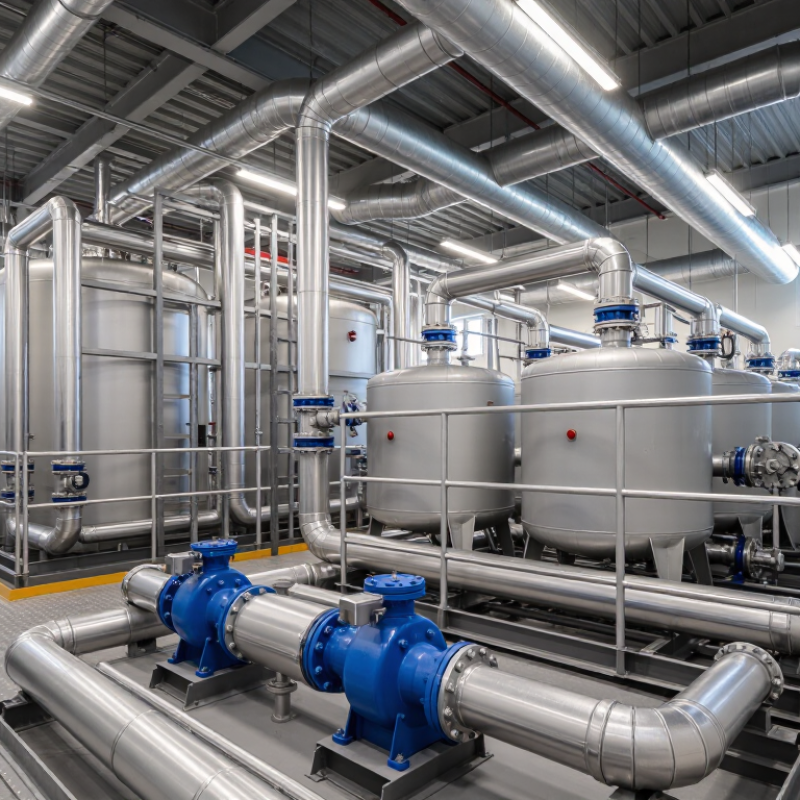
Bromine extraction equipment converts bromide-rich brine into usable elemental bromine and purified compounds. Its scope covers intake wells, filtration, oxidation, stripping, condensation, storage, and wastewater control. According to the USGS Mineral Commodity Summaries 2025, global bromine production was approximately 550,000 metric tons in 2024. This volume supports demand from flame-retardant, pharmaceutical, water-treatment, and energy-related applications.
Core systems usually begin with brine screening and chemical pretreatment. Chlorine oxidation releases bromine from bromide ions. Air or steam stripping then separates bromine from the concentrated liquor. Condensers recover liquid bromine, while scrubbers limit corrosive vapors. Materials such as titanium, glass-lined steel, and specialized polymers are commonly selected for aggressive process conditions. Small design choices matter.
Membrane separation and ion-exchange systems are gaining attention because they may reduce chemical consumption. However, their performance depends heavily on brine chemistry, temperature, fouling, and maintenance quality. Grand View Research estimated the global bromine market at more than USD 3 billion in 2023, with continued growth expected through the decade. Market estimates differ noticeably, so buyers should examine the methodology.
A practical specification should include feed salinity, recovery rate, energy use, corrosion allowance, automation level, and emergency containment. A high recovery figure can look impressive on paper. It may hide difficult cleaning requirements. Field testing, independent material verification, and transparent operating data remain essential for reliable 2026 procurement.
Bromine extraction systems commonly use oxidation followed by air or steam stripping, gas–liquid contact, condensation, and final purification. The reference boiling points below help explain why bromine can be separated from aqueous bromide solutions and why downstream condensers and corrosion-resistant process equipment are essential.
Chart basis: boiling points of pure substances at approximately 1 atm. Bromine’s boiling point of 58.8°C supports stripping and condensation designs, while water’s higher boiling point influences vapor handling, energy demand, and condenser configuration. Reference values are consistent with internationally published thermodynamic data from IUPAC and the NIST Chemistry WebBook.
Bromine extraction begins with concentrated brine from a controlled production source. Operators test bromide levels, temperature, pH, and suspended solids before processing. These measurements guide equipment settings and prevent unstable operation. The brine passes through filters or settling units. Clean feed matters.
An oxidizing stage converts dissolved bromide into elemental bromine. Air or chlorine-based chemistry may support this conversion, depending on the process design. The released bromine then enters a stripping tower. Steam or air moves upward through the liquid, carrying bromine vapor with it. Tower packing increases contact between gas and brine. This detail strongly affects recovery.
The vapor travels to condensers, where cooling changes it into liquid bromine. Further purification can remove water and remaining impurities. Drying systems, corrosion-resistant piping, sealed pumps, and monitored storage tanks protect product quality. Sensors track pressure, temperature, flow, and emissions around the equipment. Small leaks can become serious problems. Regular inspection remains essential, even with automated controls.
Equipment selection should match brine chemistry, plant capacity, maintenance skills, and local safety requirements. A larger tower is not automatically better. Some designs consume more energy than expected. Operators should review real operating data instead of trusting laboratory estimates alone. Performance may shift with seasonal brine changes, which is easy to overlook.
Industrial bromine recovery starts with feed preparation, not the stripping tower. Operators typically use brine filters, preheaters, and metering pumps to stabilize flow and temperature. Air-stripping towers contact acidified brine with controlled air, releasing bromine vapor into the gas stream. Tower packing increases contact area and improves transfer efficiency. It also creates pressure-drop and fouling risks. A poorly balanced tower can reduce recovery despite strong process chemistry.
Condensers cool the bromine-rich gas, while scrubbers capture remaining vapors before treated air leaves the system. Separation tanks, circulation pumps, and heat exchangers support stable product handling. Materials must resist wet bromine, acidic brine, and temperature changes. Practical designs often use corrosion-resistant alloys, lined vessels, and sealed connections. Instrumentation tracks pH, oxidation-reduction potential, temperature, airflow, and differential pressure. Small alarms matter. During inspections, technicians should check packing condition, pump seals, nozzle blockage, and unusual pressure changes.
Evaporation or crystallization equipment may support downstream concentration, depending on product requirements. Energy use is easy to underestimate, especially when preheating large brine volumes. Efficient heat recovery can lower operating demand, but scaling may reduce performance over time. Pilot trials with actual brine often reveal problems that laboratory tests miss. No design is perfect. Operators may need to adjust airflow, residence time, or cleaning intervals after commissioning. Calibrated sensors, documented maintenance, and controlled ventilation remain essential for reliable industrial operation.
2026 Top Bromine Extraction Equipment for Global Buyers
2026 Buyer Criteria: Capacity, Safety, Efficiency, and Compliance
Capacity should match real brine conditions, not a catalog headline. Buyers need verified throughput, bromide concentration, temperature, and seasonal variation. A plant rated for 100 tonnes daily may underperform when feed strength declines. Request pilot data and recent operating records. Measure twice.
Safety begins with containment. Bromine service requires corrosion-resistant materials, sealed transfer lines, vapor detection, emergency isolation, and effective scrubbers. Operators should see pressure, temperature, and flow readings from a protected control room. Small leaks matter. Practical designs also include drainage control, clear maintenance access, and documented emergency drills.
Efficiency involves more than electricity use. Compare steam demand, circulation rates, recovery yield, cleaning frequency, and wastewater volume. Heat recovery can reduce operating costs, but poor controls may increase fouling. That trade-off deserves testing. Compliance must cover worker exposure, air emissions, chemical storage, transport interfaces, and local permits. Reliable suppliers should provide material certificates, calibration records, risk assessments, and transparent performance limits. Buyers should inspect these documents before signing, because attractive promises sometimes hide difficult assumptions.
| Equipment / System | Typical Process Role | Indicative Feed Capacity | Suitable Bromide Feed | Typical Bromine Recovery | Energy and Utility Profile | Key Materials and Safety Features | Compliance and Documentation Priorities | Best-Fit Buyer Profile |
|---|---|---|---|---|---|---|---|---|
| Air-Stripping Extraction Tower | Oxidized bromide is converted to elemental bromine and stripped from brine by counter-current air flow. | Approximately 10–500 m³/h of brine per train; final sizing depends on bromide concentration, gas-to-liquid ratio, temperature, and tower diameter. | Low-to-medium bromide brines, commonly about 0.1–5 g/L as bromide. Pilot testing is required for difficult or high-organic feeds. | Typically 90–98% in a properly designed multi-stage system; polishing may be required to meet emissions or product targets. | Moderate electrical demand for blowers and pumps; usually lower thermal demand than steam stripping. Requires off-gas treatment. | Use corrosion-resistant linings or polymers such as PTFE, PVDF, FRP, or suitable titanium components where compatible. Include demisters, sealed connections, negative-pressure control, emergency scrubber, and bromine detectors. | Process hazard analysis, chemical compatibility records, pressure and ventilation calculations, emissions testing, worker exposure controls, and local hazardous-chemical storage requirements. | Large brine operations seeking relatively low thermal energy use and continuous operation. |
| Steam-Stripping Column | Steam transfers volatile bromine from oxidized brine into a concentrated vapor stream for condensation or absorption. | Approximately 5–250 m³/h of brine per train, subject to steam availability and column design. | Medium-to-high bromide brines, usually where the higher thermal duty can be justified by recovery and product requirements. | Typically 95–99% with adequate residence time, staged contact, condensation, and downstream absorption. | High thermal demand for steam generation; lower dependence on large air blowers. Condensate management and heat recovery can reduce operating cost. | Corrosion-resistant column internals, condensers, piping, and seals are essential. Include high-temperature protection, level control, vacuum or pressure relief, condenser monitoring, and a dedicated tail-gas scrubber. | Steam-system certification, pressure-equipment inspection, relief-device sizing, hazardous-area assessment, chemical exposure procedures, and documented shutdown logic. | Sites with reliable steam, high bromide concentration, or a need for compact high-recovery extraction. |
| Vacuum Stripping System | Reduces the boiling or stripping temperature to remove bromine under controlled vacuum conditions. | Approximately 2–100 m³/h of brine per train; capacity is limited by vacuum equipment and vapor-handling load. | Heat-sensitive feeds or operations where lower operating temperature helps reduce scaling, side reactions, or material stress. | Approximately 90–98%, depending on vacuum stability, condenser performance, and feed chemistry. | Lower operating temperature but additional electrical demand for vacuum pumps, condensers, and seal systems. Cooling-water demand can be significant. | Use vacuum-rated equipment, leak-tight seals, non-sparking instrumentation where required, corrosion-resistant condensers, vacuum breakers, and continuous pressure monitoring. | Vacuum-vessel design review, leak testing, hazardous-area classification, off-gas control, emergency isolation, and documented vacuum-breaker settings. | Buyers prioritizing lower-temperature operation, reduced thermal degradation, or integration with existing vacuum utilities. |
| Membrane Contactor System | Transfers dissolved bromine or bromine-containing species across hydrophobic microporous membranes into a receiving phase without direct bulk-phase mixing. | Commonly 0.1–50 m³/h per module group; modular expansion is possible, but full-scale capacity must be validated with the actual brine. | Relatively clean, consistent feeds with controlled solids, oils, and suspended matter. Pretreatment is normally necessary. | Approximately 90–99% in optimized systems; performance is strongly affected by membrane wetting, fouling, temperature, and concentration. | Usually low-to-moderate pumping energy; requires pretreatment, membrane replacement planning, and controlled receiving-phase circulation. | Membrane chemistry must be proven compatible with bromine, oxidants, and the selected receiving phase. Include differential-pressure monitoring, leak detection, isolation valves, and secondary containment. | Membrane integrity testing, chemical compatibility data, waste-stream classification, pressure ratings, monitoring records, and validated cleaning procedures. | Operations seeking modular equipment, reduced gas emissions, or selective transfer with limited direct gas handling. |
| Oxidation Reactor and Bromine Generation Skid | Converts bromide ions to elemental bromine before separation by air, steam, vacuum, or absorption equipment. | Approximately 1–300 m³/h of brine, depending on oxidant concentration, reaction kinetics, and required residence time. | Brines with measurable bromide content and controlled demand for oxidant. Chlorine-based oxidation is common, but the reagent must be selected through process and safety evaluation. | Often 95–99% bromide conversion under controlled pH, oxidation-reduction potential, temperature, and mixing conditions; conversion is not the same as final product recovery. | Electrical demand is generally moderate; oxidant consumption can be a major operating cost. Instrument calibration is critical. | Closed reactor, static or mechanical mixing, corrosion-resistant wetted parts, pH and oxidation-reduction potential control, interlocked reagent dosing, ventilation, and emergency quench capability. | Oxidant-management procedures, chemical storage compliance, dosing interlocks, exposure monitoring, process control validation, and emergency response documentation. | Projects requiring reliable bromide conversion upstream of an existing stripping or absorption section. |
| Bromine Condenser and Absorption Unit | Recovers bromine from vapor or carrier gas by controlled condensation, water absorption, alkaline absorption, or a combination of methods. | Approximately 5–1,000 kg/h of bromine vapor-handling capacity, depending on concentration, temperature, and gas flow. | Vapor streams generated by air stripping, steam stripping, or vacuum extraction. | Typically 95–99.5% vapor capture when properly staged; final performance depends on condenser temperature, absorber chemistry, and gas residence time. | Cooling-water or chilled-water demand can be substantial. Absorbent consumption and scrubber pressure drop must be included in operating-cost estimates. | Use compatible condenser tubes, absorber packing, mist eliminators, corrosion-resistant pumps, secondary containment, high-level shutdown, and continuous stack or outlet monitoring where required. | Emissions permit limits, scrubber performance testing, hazardous-gas detection, maintenance records, waste classification, and emergency vent-routing documentation. | Any extraction plant requiring controlled product recovery and reliable protection against bromine release. |
| Bromine Tail-Gas Scrubber | Removes residual bromine and oxidant vapors from process exhaust before discharge or safe recirculation. | Approximately 500–50,000 Nm³/h of exhaust gas; size is determined by maximum credible release and normal operating flow. | All bromine extraction systems, especially air-stripping and steam-stripping installations. | Commonly designed for at least 99% contaminant removal, subject to gas composition, liquid-to-gas ratio, packing, pH, and emergency-load assumptions. | Moderate fan, pump, and reagent demand. Reagent consumption rises during upset conditions or high bromine loading. | Packed-bed or venturi configuration with compatible internals, two-stage treatment where justified, standby pump or fan, pH monitoring, demister, emergency power, and automatic isolation. | Air-emission limits, emergency release calculations, occupational exposure limits, hazardous-area review, alarm testing, and documented inspection of packing and nozzles. | All commercial-scale buyers; essential where bromine vapor can enter occupied areas or the external atmosphere. |
| Brine Pretreatment and Filtration Package | Removes suspended solids, oil, scale-forming materials, and other contaminants that reduce stripping or membrane performance. | Approximately 5–1,000 m³/h, normally matched to the extraction train and hydraulic residence time. | Feeds containing suspended solids, organic matter, silica, calcium salts, iron, or other fouling contributors. | Does not directly determine bromine recovery, but can improve downstream availability, membrane life, and stable mass transfer. | Low-to-moderate pumping and backwash demand; chemical cleaning and filter replacement may be required. | Include strainers, cartridge or multimedia filtration, differential-pressure alarms, automatic backwash, drain isolation, corrosion-resistant housings, and sampling points. | Wastewater handling, filter-media specifications, chemical-cleaning procedures, pressure ratings, sampling records, and integration with the site environmental management system. | Buyers processing variable-quality brine or seeking lower fouling, fewer shutdowns, and more predictable extraction performance. |
For global buyers, the right bromine extraction equipment depends on brine chemistry, production scale, and site utilities. The U.S. Geological Survey’s Mineral Commodity Summaries 2025 estimates 2024 global bromine production at about 550,000 metric tons. Major supply regions include the Middle East, China, and the United States. This concentration makes delivery schedules and spare-parts planning important. A practical system usually includes brine pumps, oxidation towers, condensers, absorption units, corrosion-resistant piping, and wastewater controls. Materials matter. Bromine service can punish ordinary steel quickly.
Equipment cost varies widely. A small modular line may require several hundred thousand U.S. dollars, while a large integrated plant can exceed several million. These are planning ranges, not quotations. Installation may add 20–40% to equipment cost, especially where foundations, ventilation, electrical upgrades, and control systems are incomplete. Buyers should request a total-cost-of-ownership model, not only a factory price. Cheap equipment can become expensive after repeated seal failures.
Operation requires stable brine flow, controlled temperature, and continuous leak monitoring. Operators should record pressure, pump vibration, absorber performance, and corrosion indicators each shift. Maintenance intervals must follow actual operating data, although quarterly inspections are a sensible starting point. The International Energy Agency’s World Energy Outlook 2024 highlights rising industrial attention to efficiency and electrification; this supports selecting variable-speed drives and heat recovery where practical. Still, energy savings may be overstated. Pilot testing and independent acceptance checks are worth the delay.
It converts bromide-rich brine into elemental bromine and purified compounds. The process usually includes filtration, oxidation, stripping, condensation, and wastewater control.
Chemical oxidation converts bromide ions into bromine. Air or steam then strips bromine from concentrated liquor.
Titanium, glass-lined steel, and specialized polymers are common choices. Ordinary steel may fail quickly. Material verification still matters.
Specify real brine flow, bromide concentration, temperature, and seasonal changes. A plant rated for 100 tonnes daily may produce less during weak feed conditions.
Use sealed transfer lines, vapor detection, emergency isolation, and effective scrubbers. Operators need protected control-room readings. Small leaks matter.
Compare steam use, electricity, circulation rates, recovery yield, cleaning frequency, and wastewater volume. Heat recovery can reduce costs, but fouling may increase.
They may reduce chemical consumption. Performance depends on brine chemistry, temperature, fouling, and maintenance quality. Results are not guaranteed.
Small modular systems may cost several hundred thousand dollars. Large integrated plants can exceed several million. Installation may add 20–40 percent.
Request pilot data, recent operating records, material certificates, calibration records, risk assessments, and total-cost estimates. Attractive promises can hide difficult assumptions.
Record pressure, pump vibration, absorber performance, and corrosion indicators each shift. Quarterly inspections are a useful starting point, but real data should guide changes. I would not trust a fixed schedule forever.
This guide to Bromine Extraction Equipment explains the purpose, scope, and core technologies used to recover bromine efficiently from brine and other approved industrial feedstocks. It outlines how extraction systems move from feed preparation and bromine release to separation, purification, concentration, and final product handling. The article also reviews major equipment types, including reaction units, gas-liquid contactors, separators, scrubbers, condensers, pumps, storage tanks, and control systems, clarifying the role each component plays in a complete recovery line.
For global buyers in 2026, the selection process should focus on processing capacity, recovery efficiency, energy and water consumption, corrosion resistance, operational safety, automation, and compliance with applicable environmental and industrial standards. The guide also addresses practical purchasing factors such as equipment cost, shipping, installation, commissioning, operator training, spare parts, maintenance planning, and long-term operating expenses. Together, these considerations help buyers choose a reliable, scalable, and responsibly managed bromine recovery solution suited to their site conditions and production goals.
