Choosing the best Salt Washing Machinery in 2026 requires more than comparing purchase prices or brochure capacity. Salt producers now examine washing efficiency, crystal loss, water consumption, corrosion resistance, and maintenance access. A machine may promise impressive output, yet perform differently under changing salt purity, brine density, and feed moisture. Real conditions matter.
A reliable evaluation starts with the washing chamber, spray system, screen design, and material quality. Stainless steel construction can reduce corrosion risks, but its grade and fabrication still deserve close inspection. Food-grade contact surfaces are essential for edible salt production. Operators should also review water recovery systems, pump efficiency, noise levels, and cleaning procedures. Small design details matter. A blocked nozzle can quietly reduce product quality during a long shift.
The best choice depends on the plant’s process, not a universal ranking. Equipment suppliers should provide test results, operating references, spare-parts support, and clear warranty terms. Independent performance checks are even more valuable when possible. Ask for measurable data, including salt purity, moisture after washing, capacity per hour, and water use per tonne. Published figures can be optimistic. That deserves careful questioning.
Automation may improve consistency, but it cannot replace trained operators or regular inspections. A practical buyer should calculate lifecycle costs, not only the initial investment. Energy prices, labor availability, water restrictions, and future expansion can change the final decision. This guide examines these factors with a balanced approach, while recognizing one uncomfortable truth: the most expensive machine is not always the most reliable, and the cheapest option may create hidden costs later.
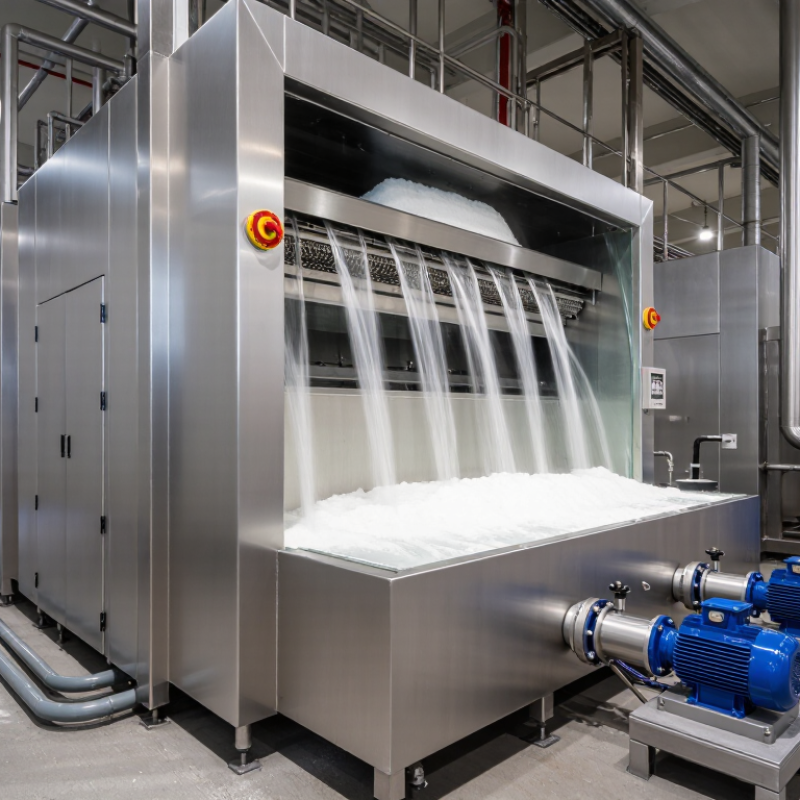
What Salt Washing Machinery Does and Why It Matters in 2026
What Is the Best Salt Washing Machinery in 2026?
Salt washing machinery removes clay, dust, bitter compounds, and surface impurities from raw salt. Its main work includes scrubbing, rinsing, grading, and separating unwanted brine. Cleaner crystals can improve taste, appearance, storage stability, and processing performance.
In 2026, the best equipment should match the salt source, moisture level, and required output. A practical system may include a washer, hydrocyclone, centrifuge, and controlled dryer. Corrosion-resistant construction is essential because saltwater quickly attacks weak materials. Automated sensors can monitor flow, density, and moisture. However, automation cannot replace skilled inspection. A small change in raw salt can affect washing results within hours. Operators should check crystal damage, wastewater clarity, and final salt moisture during production. This is where real plant experience matters.
Tips:
Test samples before choosing machinery. Compare water use, energy demand, maintenance access, and recovery rate. Ask for measurable performance data, not only attractive capacity figures. Leave space around pumps and screens for cleaning. A compact design may save floor space, but it can make repairs difficult. No machine is perfect. Even advanced systems may waste water when settings are poorly adjusted. Review results regularly, and change operating conditions carefully.
How to Compare Salt Washing Machine Types and Processing Methods
What Is the Best Salt Washing Machinery in 2026?
How to Compare Salt Washing Machine Types and Processing Methods
Choosing salt washing machinery starts with the raw material, not the machine catalogue. Test samples should measure clay, insoluble minerals, moisture, crystal size, and soluble impurities. A small laboratory wash can reveal more than a sales specification.
Screw washers suit continuous processing and controlled residence time. Paddle washers provide stronger agitation for heavily contaminated salt. Counter-current washing can reduce fresh-water consumption because cleaner water contacts cleaner crystals. However, excessive agitation may fracture crystals and increase fine particles. That loss is easy to overlook.
A bigger machine is not always better.
Processing Methods and Equipment Considerations
Processing method matters as much as equipment design. Brine washing usually protects salt purity while limiting dissolution. Fresh-water washing may remove more surface dirt, but it can dissolve valuable salt. Centrifuges lower moisture after washing, while settling tanks reduce suspended solids before water recycling. Operators should compare capacity, power use, water demand, maintenance access, and final moisture.
In practical trials, performance often changes with feed size and seasonal moisture. One weak point is relying on a single test batch. Run repeated trials under realistic conditions. Check the washed salt under magnification, inspect wastewater clarity, and record crystal breakage. Automation improves consistency, but sensors still need calibration. The best choice balances purity, recovery, operating cost, and local water conditions rather than chasing the highest advertised throughput.
Which Performance Factors Define the Best Salt Washing Machinery
The best salt washing machinery in 2026 is defined by performance, not appearance. A reliable system removes clay, brine impurities, and fine organic matter without dissolving excessive salt. In plant trials, operators should measure salt purity, recovery rate, washing time, and moisture after discharge. Clear data matters more than impressive specifications.
Capacity must match the mine’s actual production rhythm. An oversized washer may waste water and energy during low-load periods. An undersized unit can create long queues and uneven cleaning. Look for stable feed control, adjustable washing intensity, and consistent residence time. These features help maintain quality when raw salt changes after rain or seasonal extraction.
Water efficiency deserves close attention. Counter-current washing can reduce freshwater demand while maintaining cleaning performance. Corrosion-resistant materials are essential around concentrated brine, especially near pumps, screens, and discharge points. Easy access for inspection also matters. Small blockages become expensive failures.
Not every machine performs equally in real conditions. A system may achieve excellent purity in a laboratory test but struggle with sticky feed material. Operators should request field data, maintenance records, and trial results using comparable salt. Automation can improve consistency, yet sensors still need calibration. That detail is easy to overlook. My practical view is simple: the best equipment is the one that delivers repeatable purity, acceptable recovery, manageable operating costs, and safe maintenance across ordinary working days.
What Is the Best Salt Washing Machinery in 2026? - Which Performance Factors Define the Best Salt Washing Machinery
Typical performance benchmarks for industrial salt washing equipment
| Machinery Configuration |
Typical Throughput
(t/h) |
Salt Recovery
(%) |
Product Moisture
After Washing (%) |
Freshwater Use
(m³/t) |
Installed Power
(kW) |
Best-Fit Application |
Key Performance Advantage |
| Rotary Drum Washer |
10–80 |
96–99 |
3–7 |
0.15–0.40 |
15–90 |
Continuous washing of coarse or moderately contaminated raw salt |
High capacity, simple operation, and good tolerance of variable feed size |
| Screw Conveyor Washer |
5–50 |
97–99 |
4–8 |
0.10–0.30 |
11–75 |
Compact processing lines requiring conveying and washing in one unit |
Efficient material transfer, compact layout, and adjustable retention time |
| Counter-Current Washing System |
10–100 |
98–99.5 |
3–6 |
0.08–0.25 |
30–160 |
High-purity edible, industrial, and vacuum-evaporated salt production |
Low water consumption with strong impurity removal and stable product quality |
| Hydrocyclone-Assisted Washing Line |
5–60 |
97–99 |
5–10 |
0.20–0.60 |
25–140 |
Fine-particle separation and removal of suspended clay or light impurities |
Effective classification and separation of fine contaminants |
| Washing and Centrifugal Dewatering Line |
5–40 |
97–99.5 |
2–5 |
0.12–0.35 |
45–220 |
Lines where reduced dryer load and lower final moisture are priorities |
Lower residual moisture and improved energy efficiency in downstream drying |
How to identify the best salt washing machinery:
The most suitable system should be selected by balancing salt recovery, impurity-removal efficiency, water consumption, final moisture, throughput stability, energy demand, corrosion resistance, cleanability, automation level, and maintenance access. The ranges shown are typical engineering benchmarks; actual results depend on feed size, brine concentration, impurity load, washing-water quality, residence time, and process configuration.
How Automation, Energy Use, and Safety Affect Machine Selection
What Is the Best Salt Washing Machinery in 2026?
The best salt washing machine is not always the fastest model. It should match production volume, salt quality, labor skills, and available floor space. In recent equipment evaluations, automation has become a practical selection factor. Sensors can monitor water flow, salt concentration, temperature, and discharge clarity. A programmable control system can adjust washing cycles with less operator intervention. This reduces variation between batches. It also helps staff detect abnormal vibration or blocked screens earlier. Yet automation is not magic. Poor sensor calibration can create confident but incorrect readings.
Energy use deserves close attention. Efficient pumps, variable-speed drives, and insulated water lines can reduce electricity and heat loss. A machine using less water may also lower wastewater treatment demands. However, low water consumption can affect impurity removal if the washing stage is poorly designed. The numbers can surprise. Request measured energy and water data under a load similar to yours. Laboratory claims may not reflect heavy, wet salt or irregular feeding.
Safety must be checked before capacity. Guards should cover rotating parts, while emergency stops need clear access. Non-slip platforms matter around brine and wash water. Dust control, enclosed electrical cabinets, and simple lockout procedures support safer maintenance. Food-grade contact materials may be necessary for edible salt production. No selection is perfect. Operators still need training, inspections, and a realistic cleaning schedule. A complicated machine can look impressive, then become unreliable when spare parts or technical support are delayed.
How to Choose the Right Salt Washing Machinery for Your Operation
Choosing the right salt washing machinery starts with the salt, not the equipment catalogue. Measure raw salt moisture, crystal size, clay content, and required hourly output. A washer designed for fine crystals may damage coarse salt or create excessive fines. Operators should also check the washing water’s salinity and temperature. Small differences can affect purity and washing efficiency.
Inspect the machine’s construction carefully. Salt quickly exposes weak materials, especially around spray pipes, screens, bearings, and discharge chutes. Corrosion-resistant steel, sealed bearings, and easy-access inspection doors reduce maintenance risks. A practical trial should confirm residence time, product loss, water consumption, and final moisture. Ask for test data using salt similar to yours. Laboratory results alone may not reflect plant conditions.
Think beyond the washer itself. The system may need a crusher, screen, dewatering unit, dryer, conveyor, and water-recovery circuit. Match each capacity instead of choosing one oversized component. Bigger is not always better. Oversizing can increase energy use and leave unstable flow at low production rates. Controls should display feed rate, motor load, water flow, and alarm history. Operators need simple adjustments during wet weather or changing salt quality. I would also leave room for cleaning access; this detail is often underestimated during installation.
What Is the Best Salt Washing Machinery in 2026?
Typical throughput ranges help match a salt washing system to your operation. Select equipment by required capacity, feed contamination, water availability, salt loss control, and maintenance requirements.
Compact screw washer
Typically suited to smaller lines and moderate impurity loads, with simpler installation and lower capital requirements.
Continuous paddle washer
A practical choice for medium-scale production requiring continuous washing and improved contact between brine and salt.
Multi-stage washing system
Designed for larger operations or feed salt with higher clay and insoluble-material content, often combined with screening and dewatering.
The values shown are indicative engineering ranges commonly used for preliminary equipment selection. Actual capacity depends on salt particle size, moisture, impurity level, washing stages, residence time, and feed characteristics.
Conclusion
Choosing the best Salt Washing Machinery in 2026 requires more than comparing purchase prices. Modern equipment is designed to remove impurities, improve salt purity, reduce moisture, and prepare products for consistent downstream processing. Different washing systems and processing methods offer distinct advantages, so buyers should evaluate washing capacity, cleaning efficiency, material compatibility, water circulation, and final product quality according to their production goals.
The most suitable Salt Washing Machinery should also balance performance with operating cost and workplace safety. Energy-efficient motors, water-saving designs, automated controls, and reliable monitoring can improve productivity while reducing resource consumption. Safety features, easy maintenance, durable construction, and access to technical support are equally important for long-term operation. By carefully matching machine capacity, automation level, process requirements, available space, and budget, each operation can select a practical solution that delivers stable performance and supports efficient salt processing in 2026.

