
Choosing the China best Salt Washing Equipment manufacturer requires more than comparing prices or polished factory photographs. A reliable supplier should demonstrate practical experience with raw salt quality, washing targets, capacity changes, and local operating conditions. Their equipment may include washing units, hydrocyclones, centrifuges, screens, pumps, and control systems. Each component affects salt purity, moisture, energy use, and production stability.
Look for measurable evidence. A professional manufacturer should provide material specifications, process flow diagrams, testing records, and clear performance data. Factory visits or video inspections can reveal important details, such as weld quality, motor protection, drainage design, and cleaning access. Ask whether the supplier has operated similar lines, not merely assembled equipment. Real installation experience often exposes problems that brochures ignore.
It should fit your process.
A dependable company also explains limitations honestly. No machine performs perfectly with every salt source, and feed moisture can change results significantly. Trial washing with representative samples is valuable before signing a large project. The supplier should discuss spare parts, commissioning, operator training, maintenance intervals, and response times after delivery. These details reflect long-term reliability more clearly than a low quotation.
China has many capable equipment manufacturers, yet quality varies between projects. The strongest choice combines engineering competence, documented experience, transparent communication, and responsible after-sales support. This article examines the practical criteria for identifying a suitable manufacturer, while recognizing that “best” depends on your salt type, output goals, budget, and operating environment.
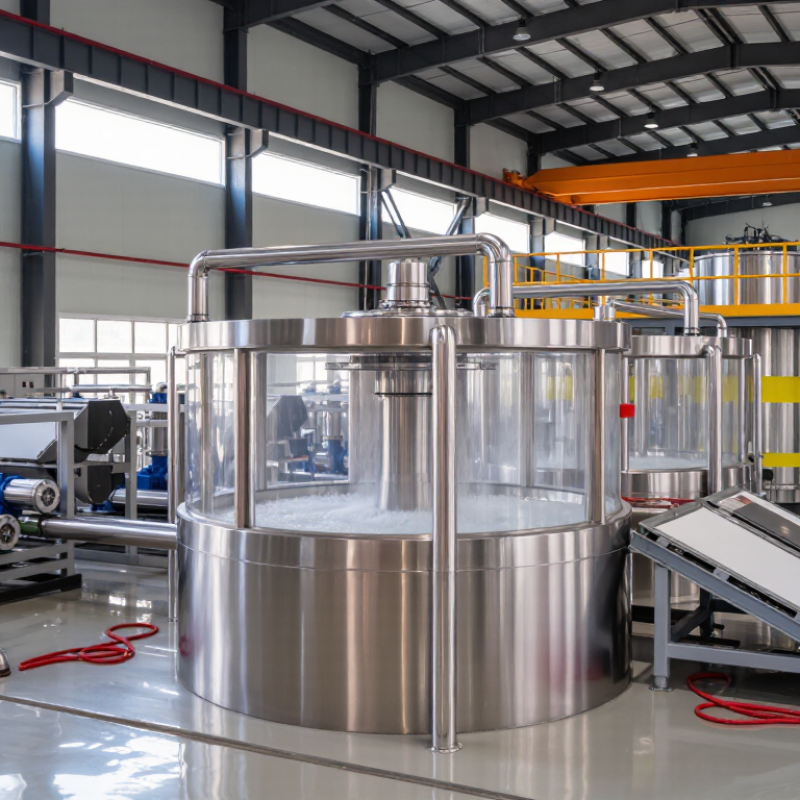
Salt washing equipment is a processing system that cleans raw salt with controlled brine or fresh water. It removes clay, sand, fine dust, and some surface impurities. The usual line includes a feeder, crusher, screen, washer, centrifuge, and dryer.
The process starts with measured feeding. Oversized crystals are reduced before washing. Inside the washer, salt contacts liquid while paddles or a rotating drum separate unwanted particles. A centrifuge then removes much of the free moisture. Drying follows when storage stability or food-grade specifications require it. Water quality matters greatly. Poorly controlled brine can add impurities instead of removing them.
According to the USGS Mineral Commodity Summaries 2024, global salt production reached approximately 270 million metric tons in 2023. This scale increases demand for stable, high-throughput washing systems. However, capacity alone is not enough. Operators should examine salt purity, crystal size, moisture, water use, and energy consumption together. A machine that washes aggressively may also break valuable crystals. That is an easy detail to miss.
Practical testing remains essential. Samples should be checked before and after washing for insoluble matter, moisture, and particle distribution. Some plants also monitor wash-water conductivity and density. Results can vary with mineral source and seasonal moisture. The equipment is not magic. Good design needs reliable data, careful adjustment, and honest maintenance records.
Salt washing equipment cleans crude salt by contacting it with saturated brine or water, removing surface impurities and insoluble materials before dewatering and drying. The chart shows the approximate solubility of sodium chloride in water at different temperatures, which is an important factor in controlling salt loss during washing.
Data shown are approximate equilibrium solubility values for sodium chloride in water, expressed as grams of NaCl dissolved per 100 grams of water. Because sodium chloride solubility changes only moderately with temperature, salt washing systems commonly use controlled brine concentration, residence time, and liquid-to-solid ratio to reduce product loss while improving cleanliness.
A salt washing system cleans raw salt through controlled contact with water or saturated brine. The process usually begins in a feed hopper, where vibrating screens remove oversized stones and dry debris. A measured flow then carries the salt into a washing chamber. Agitators loosen clay, sand, and fine mineral particles from each crystal surface.
The washing liquid matters. Fresh water removes impurities effectively, but it can dissolve more salt. Saturated brine reduces salt loss and helps preserve crystal size. Inside the washer, strong turbulence separates unwanted materials without crushing the salt excessively. The mixture then enters a screen, hydrocyclone, or settling unit. Heavier particles move away, while clean salt continues through the line.
Dewatering equipment removes surface moisture before storage or drying. A centrifuge may spin rapidly, leaving salt crystals visibly brighter and less sticky. Operators should monitor brine density, residence time, feed size, and screen condition. Small changes can affect purity and recovery. In practice, the flow is rarely perfect. Blocked screens, unstable density, or overfeeding can reduce washing efficiency. A reliable system therefore needs regular sampling, careful adjustment, and corrosion-resistant construction. Food-contact areas also require cleanable designs and documented maintenance. Mistakes happen. Good operators catch them early.
| Process Stage | Main Equipment | Primary Function | Typical Operating Data | Key Control Point | Expected Result |
|---|---|---|---|---|---|
| 1. Raw Salt Feeding | Receiving hopper and belt conveyor | Provides a steady feed of crude or harvested salt to the washing line. | Feed rate is normally matched to the rated capacity of the complete plant; common lines are configured from several tonnes per hour upward. | Stable feed rate and prevention of oversized foreign material. | Continuous and uniform material flow. |
| 2. Screening and Size Separation | Vibrating screen or rotary screen | Removes large debris and separates salt particles by size before washing. | Screen openings are selected according to the required product size and feed characteristics. | Screen aperture, vibration, moisture, and blinding of the screen surface. | More consistent particle size and improved washing contact. |
| 3. Brine Washing | Salt washer, paddle washer, or screw-type washer | Agitates the salt in saturated or near-saturated brine to loosen clay, sand, magnesium salts, and surface impurities. | Washing intensity and residence time depend on impurity level, salt size, and desired purity; saturated brine helps limit product dissolution. | Brine concentration, liquid-to-solid ratio, residence time, and agitation intensity. | Impurities are detached from the salt surface while salt loss is controlled. |
| 4. Hydrocyclone Classification | Hydrocyclone or desliming cyclone | Separates fine suspended solids and heavy mineral particles from the salt-bearing slurry by centrifugal force. | Performance depends on cyclone diameter, feed pressure, slurry density, and particle-size distribution. | Feed pressure, underflow density, overflow clarity, and blockage prevention. | Reduced fine mineral content in the cleaned salt stream. |
| 5. Dewatering | Dewatering screen or centrifugal dehydrator | Removes free brine from the washed salt before drying or packing. | The achievable moisture level varies with crystal size, screen design, and equipment configuration. | Screen inclination, vibration or rotational speed, drainage capacity, and salt residence time. | Lower surface moisture and reduced load on the dryer. |
| 6. Centrifugal Separation | Salt centrifuge | Uses centrifugal force to separate additional liquid from salt crystals. | Operating speed and feed rate are selected according to crystal strength and target moisture. | Rotor balance, vibration, feed uniformity, and wear of contact parts. | Improved dewatering with limited crystal breakage when properly adjusted. |
| 7. Thermal Drying | Fluidized-bed, rotary, or hot-air dryer | Reduces residual moisture to meet storage, handling, and packaging requirements. | Drying temperature and air volume must be controlled to avoid excessive energy use and unnecessary salt caking. | Inlet and outlet air temperature, airflow, residence time, and final moisture. | Free-flowing salt with stable moisture content. |
| 8. Final Screening | Linear vibrating screen or rotary sifter | Removes agglomerates and classifies the dried salt into commercial size fractions. | Screen configuration is based on the required product grades and allowable oversize content. | Mesh selection, feed distribution, screen condition, and dust control. | Uniform product size and improved packaging consistency. |
| 9. Brine and Water Management | Settling tank, thickener, filter, and recirculation pump | Clarifies process liquid, recycles usable brine, and concentrates suspended solids for controlled discharge or further treatment. | System design depends on water quality, suspended-solids loading, salt losses, and local discharge requirements. | Brine density, suspended solids, tank level, pump condition, and make-up water demand. | Lower freshwater consumption and more stable washing conditions. |
Salt washing equipment is selected by raw salt quality, crystal size, and required purity. A screw salt washer is common for coarse material. It gently scrubs crystals while removing clay, dust, and surface brine. Its long trough also supports continuous processing.
For finer salt, a paddle washer or agitated washing tank offers stronger mixing. These machines improve contact between salt and clean water, but excessive agitation may break crystals.
Counter-current washing systems reduce water use and maintain stable cleaning performance. Hydrocyclones can classify suspended solids and separate lighter impurities.
Vibrating screens then remove oversized particles before dewatering. A centrifuge or dewatering screen lowers moisture before drying or packaging.
The right combination depends on laboratory results, not equipment appearance.
Tips: Test the feed salt first. Measure moisture, insoluble matter, crystal size, and water demand. Inspect wear parts regularly, especially screws, paddles, screens, and liners. Keep washing water consistent. Small changes can affect purity. Clean salt matters. One practical limitation is often overlooked: a powerful washer cannot correct poor feed control. Operators may also need to adjust residence time during seasonal changes. Trial data should guide the final layout.
China Best Salt Washing Equipment Manufacturer?
How to Evaluate Chinese Salt Washing Equipment Manufacturers?
The best Chinese salt washing equipment manufacturer is not always the largest factory. Selection should begin with your salt, not a sales brochure. Request a controlled trial using your own raw material. Check washing capacity, moisture reduction, salt loss, and final whiteness. Record every result.
Inspect the machine’s contact materials carefully. Stainless steel should match your process and cleaning conditions. Ask about weld quality, screen replacement, water circulation, and discharge stability. A clear process diagram matters. So does a detailed parts list. Visit the production site if possible. Look for machining areas, assembly records, testing instruments, and finished equipment awaiting shipment.
Technical claims need evidence. Request test data, installation references, maintenance schedules, and operating videos. Speak with users handling similar salt volumes. Ask how quickly the manufacturer solved past failures. That answer can reveal more than a polished presentation. Check whether engineers understand feed variation, abrasive crystals, blocked nozzles, and changing moisture levels. Small details often control daily performance.
Do not judge only by price. Cheap equipment may require more water, labor, or replacement screens. However, expensive equipment is not automatically better. I have seen specifications appear excellent while factory testing remained too brief. That should encourage careful questioning. Require acceptance criteria before signing, including capacity, product quality, energy use, and spare-parts response time. A reliable supplier should accept measurable responsibilities.
When choosing a salt washing equipment manufacturer, buyers should expect more than polished brochures. A reliable supplier explains how the washer handles raw salt, brine concentration, impurities, and daily production changes. They should provide measurable data, including capacity, water consumption, motor power, and expected salt loss.
Quality standards should be visible in the equipment itself. Inspect stainless steel grades, weld finishing, sealing points, bearings, and corrosion protection. Ask for material certificates, factory inspection records, and performance test results. A practical supplier can arrange a trial using your salt sample. This matters because salt from coastal pits may behave differently from mined salt.
Service quality is equally important. Clear installation drawings, operating manuals, spare parts lists, and training should arrive before commissioning. Remote support is useful, but it cannot replace skilled technicians when a conveyor stops during production. Response times should be written into the agreement. Ask how replacement parts are identified and whether maintenance staff can reach them safely.
No supplier gets every project right. That deserves honest discussion. Buyers should request references from similar plants, not only impressive large sites. They should also confirm local electrical, environmental, and workplace safety requirements. A strong manufacturer records adjustments after testing and explains remaining limitations. That transparency may feel less attractive, but it often prevents expensive surprises.
It removes clay, sand, fine dust, and some surface impurities. It does not fix every quality problem.
A feeder controls the raw salt flow. A crusher reduces oversized crystals. Washing, dewatering, and drying follow.
A screw washer often suits coarse material. Its rotating screw gently scrubs crystals in a long trough.
Paddle washers or agitated tanks provide stronger mixing. Excessive agitation may break valuable crystals.
Counter-current washing can reduce water demand. Water quality must remain consistent. Dirty water can add impurities.
No. A centrifuge or dewatering screen may remove enough moisture for some uses. Drying helps when storage stability matters.
Test moisture, insoluble matter, crystal size, and water demand. Compare samples before and after washing.
Adjust mixing strength, residence time, and feed size. Stronger washing is not always better.
Inspect screws, paddles, screens, and liners regularly. Keep honest maintenance records. Small wear can change results.
Mineral sources and seasonal moisture may vary. Operators may need to adjust residence time and water settings. That detail is easy to miss.
Salt Washing Equipment is designed to clean raw salt by removing clay, sand, insoluble minerals, and other unwanted particles while preserving the desired salt crystals. A typical salt washing system combines feeding, screening, washing, agitation, separation, dewatering, and conveying processes. Depending on production requirements, buyers may choose screw washers, paddle washers, rotary washing units, hydrocyclones, centrifuges, or complete integrated systems. The right configuration depends on salt quality, capacity, moisture targets, energy use, and available space.
When evaluating Chinese Salt Washing Equipment manufacturers, buyers should examine manufacturing experience, process design capability, equipment materials, automation levels, quality control procedures, and documented performance. Reliable suppliers should provide clear technical specifications, customized solutions, testing support, installation guidance, spare parts, and responsive after-sales service. Buyers should also confirm compliance with applicable safety and environmental standards, inspect production facilities when possible, and request references or performance data. A trustworthy manufacturer should offer stable operation, efficient cleaning, durable construction, transparent communication, and long-term technical support rather than focusing only on the initial purchase price.
