
How to Choose the Best Bromine Production Line?

Time:2026-11-04 Author:Madeline
0%

The choice begins with the feedstock, not the equipment brochure. Bromine plants may process natural brines, seawater-derived streams, or other bromide-rich solutions. Salt content, temperature, flow rate, and impurities all affect recovery. A line designed for one source may struggle with another. Small differences matter.

USGS Mineral Commodity Summaries 2025 provides country-level bromine production data, showing supply from a limited number of producing regions. This concentration makes reliable recovery, maintainable equipment, and realistic capacity planning important purchasing criteria. The report offers useful market context, but it cannot determine which process fits a specific site. That needs engineering evidence. Ask suppliers for a documented mass balance, feedstock assumptions, expected recovery range, utility use, and clear information about emissions and waste streams. Compare performance guarantees against your operating conditions, not idealized laboratory results.

Safety and lifecycle cost deserve equal attention. Bromine is corrosive and hazardous to handle, so qualified process-safety professionals should review containment, compatible materials, leak detection, ventilation, and emergency systems. Local permits and recognized safety standards also influence plant design. Inspect the materials list closely. Ask how seals, pumps, and instruments will be serviced, and whether critical spare parts are available nearby. A low purchase price can become an expensive lesson. No single “best” Bromine Production Line suits every project; the strongest choice is backed by verified data, site-specific engineering, and transparent after-sales support. Some uncertainty remains, and a responsible supplier should acknowledge it.
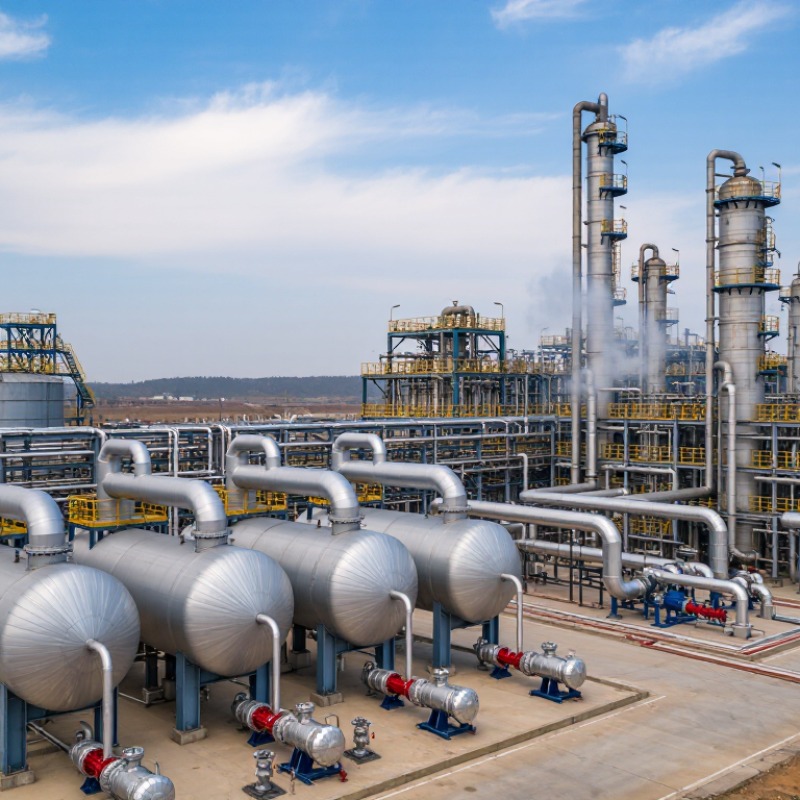
How to Choose the Best Bromine Production Line?

Define Production Goals and Assess Bromine Feedstock

Before comparing equipment, define what the line must produce. Set a target capacity, operating schedule, product purity, and acceptable variation. A pilot-scale system and a continuous industrial line have different needs. Be specific. For example, estimate the bromine content in each feed batch, then calculate expected output using measured recovery figures rather than optimistic supplier estimates.

Assess the feedstock before selecting process equipment. Record bromide concentration, salinity, temperature, and likely impurities, and test samples from more than one delivery or production period. Iron, suspended solids, and organic matter can affect separation, corrosion, maintenance, and product quality. Feed composition may also shift with seasons or changing water sources. Real data can be messy. One sample is rarely enough. Ask a qualified laboratory to document its methods and detection limits, then use those results in a preliminary mass balance.

Connect the findings to practical design choices: materials that tolerate the measured chemistry, suitable pretreatment, sampling points, and capacity for routine cleaning. Check utilities, operator access, and the management of process residues as part of the same assessment. Avoid locking in a design before confirming feed variability; that step is easy to rush. Some uncertainty will remain, so make assumptions visible and verify them during pilot testing.

How to Choose the Best Bromine Production Line?

Define production goals and assess bromide concentration in the available feedstock.

Indicative benchmarks: seawater contains about 65 mg/L bromide, while inland brines can range roughly from 1,000 to 5,000 mg/L. Dead Sea water is also bromide-rich, at approximately 4,000–5,000 mg/L. Actual concentrations vary by source; use a feedstock assay and required output capacity to guide process selection.

Compare Bromine Extraction and Processing Technologies

How to Choose the Best Bromine Production Line?

Compare Bromine Extraction and Processing Technologies

A bromine production line should match the brine, not just the target output. Brines vary in bromide concentration, temperature, and impurities, so representative samples matter. Some plants oxidize bromide and use air stripping to carry released bromine from the liquid. This approach can suit continuous operation, but performance depends on gas contact and careful process control. Steam stripping offers stronger heat transfer, yet it can increase energy demand. Small details count: scaling inside a column can quietly reduce efficiency.

Extraction is only part of the comparison. After stripping, bromine-containing gas is absorbed, then the product is purified, often through distillation. A sound design considers recovery at each stage, not only the extraction vessel. Compare water and energy use, expected feed variability, maintenance access, and corrosion-resistant materials. Ask suppliers to explain how they manage off-gas and process upsets, and request data from feed conditions similar to yours. Numbers from a different brine may mislead.

Pilot testing can expose problems that a neat process diagram cannot. Check product quality, recovery, and utility demand over changing feed conditions. Also inspect how operators sample the brine and monitor pressure, temperature, and flow. There is no universal winner. A lower-cost line may prove less practical if it needs frequent cleaning or unstable operating adjustments. Real-world data can be imperfect, and that uncertainty deserves attention.

Evaluate Production Capacity, Equipment, and Automation

How to Choose the Best Bromine Production Line?

Evaluate Production Capacity, Equipment, and Automation

Start with the output your facility needs, not the largest capacity on a supplier’s chart. Compare expected daily demand with peak requirements and planned expansion. Ask for independently verifiable performance data, including operating availability and maintenance intervals. A line that runs steadily may serve you better than one that only looks impressive on paper. Still, forecasts can be wrong; leave room to reassess them.

Inspect equipment for corrosion resistance, sealed material transfer, and practical access for inspection and maintenance. Bromine presents serious exposure risks, so containment, leak detection, ventilation, and emergency controls deserve close review. Check whether sensors and interlocks can detect abnormal conditions and move the system toward a safe state. Automation can improve consistency and reduce routine handling. It cannot replace trained operators, clear procedures, or a site-specific safety review. Have qualified engineers verify equipment suitability and applicable requirements before purchase.

Tips: Request a layout showing maintenance access and emergency routes. Review sensor testing, alarm records, spare-part needs, and operator training plans. Ask what happens during a power or instrument failure. Small gaps in these plans can become costly—and they are easy to overlook during a sales presentation.

Review Safety Systems and Environmental Controls

When choosing a bromine production line, examine its containment and monitoring systems, not just its rated capacity. NIOSH’s Pocket Guide gives bromine a recommended ceiling of 0.1 ppm over 15 minutes. It also lists 3 ppm as immediately dangerous to life or health. Those figures support specifying fixed gas detectors, audible alarms, local exhaust ventilation, and remotely accessible shutdowns. Check whether sensor locations reflect likely leak points, such as transfer connections and pump seals.

Environmental controls deserve the same scrutiny. The European Commission’s 2016 Best Available Techniques Reference Document for Common Waste Water and Waste Gas Treatment identifies waste-gas treatment and wastewater management as key control areas for chemical operations. Ask suppliers how the line captures process vapours, treats exhaust, and prevents contaminated drainage from reaching clean-water systems. Closed-loop cooling can also reduce routine water discharge. Require monitoring points that let operators verify performance, rather than relying only on equipment specifications.

Look closely at maintenance access. A detector that is difficult to test may be neglected; a scrubber without clear operating indicators can hide declining performance. Request alarm-response procedures, inspection schedules, and records of emissions testing. No layout is perfect. Even a well-designed system can fail if shift teams cannot reach isolation controls quickly. NIOSH Pocket Guide to Chemical Hazards; European Commission JRC, 2016 BREF.

How to Choose the Best Bromine Production Line? - Review Safety Systems and Environmental Controls

Evaluation dimension What to look for Evidence to request Why it matters
Process basis and feed variability A clearly defined process route, commonly involving bromide-rich brine oxidation, bromine stripping, and recovery. Design assumptions should cover feed composition and operating range. Process-flow diagram, feed specification, material balance, and documented operating envelope. Feed changes can affect recovery, reagent use, equipment performance, and the composition of residual brine.
Process containment Closed equipment and transfer lines, suitable seals, controlled access, and a plan for collecting or treating equipment vents and drains. Containment drawings, equipment specifications, leak-management procedures, and inspection plans. Bromine is a toxic, volatile, corrosive liquid; limiting releases protects workers and the surrounding area.
Gas detection and alarms Fixed detection in risk-assessed locations, audible and visual alarms, defined response actions, and routine sensor testing. Consider other process hazards, including chlorine where used. Detector layout, alarm setpoint rationale, calibration schedule, and emergency response procedures. Early warning supports prompt evacuation, isolation, and incident response. Detector coverage should be based on the site hazard assessment.
Off-gas treatment A properly engineered gas-treatment system, such as an appropriate wet scrubber, with defined design capacity, operating monitoring, and a safe route for treated exhaust. Scrubber design basis, compatible construction materials, monitoring points, maintenance plan, and performance test approach. Stripping and process vents can carry hazardous vapors. Treatment must account for expected gas composition and credible upset conditions.
Materials and corrosion management Materials selected for the actual process chemistry, temperature, concentration, and wet or dry service; attention to valves, gaskets, instruments, and connections. Materials-of-construction list, compatibility review, corrosion allowances where applicable, and inspection or replacement criteria. Corrosion or incompatible components can lead to leaks, premature failures, and unplanned releases.
Wastewater and residual brine A characterized and permitted management route for spent brine, scrubber liquor, wash water, and other process drains. Assess residual oxidants and relevant salts before discharge or reuse. Wastewater characterization, treatment-flow diagram, sampling plan, and applicable discharge or disposal approvals. Liquid streams can contain bromide, residual bromine or other oxidants, and salts; their management must meet site-specific environmental requirements.
Secondary containment and spill response Containment for relevant storage and process areas, controlled drainage, suitable spill-response equipment, and procedures that avoid unsafe cleanup methods. Site layout, containment capacity basis, drainage plan, spill-response plan, and training records. Containment can limit the spread of a liquid release and reduce the chance of contamination reaching soil or water.
Emergency readiness and safeguards Documented hazard review, emergency shutdown and isolation logic where appropriate, accessible safety showers and eyewash stations, evacuation arrangements, and trained responders. Hazard-review records, safeguard test procedures, emergency plans, and drill and training schedules. Layered safeguards and practiced response plans help reduce the consequences of equipment failure or accidental exposure.
Commissioning, operation, and maintenance Clear operating procedures, preventive maintenance, spare-parts planning, operator training, and verification of safety and environmental equipment before startup. Commissioning checklist, maintenance schedule, operating manuals, training matrix, and records of functional tests. A well-designed line still depends on reliable maintenance, competent operation, and regular verification of protective systems.

Selection note: Confirm engineering, occupational-safety, and environmental requirements with qualified professionals and the relevant local authorities; requirements depend on the site, process design, and jurisdiction.

Compare Suppliers, Operating Costs, and Long-Term Support

Choosing a bromine production line means comparing more than quoted capacity. Ask each supplier for a process-flow diagram, utility requirements, and documented assumptions behind the output estimate. A credible proposal should explain equipment materials, corrosion monitoring, containment, and emissions controls. These details affect reliability and worker safety.

Request references from facilities with similar feed conditions, then ask what changed after commissioning. Look beyond polished case studies. Small details matter.

Operating costs include power, water, maintenance, consumables, and planned downtime. Compare estimates using the same production rate and operating hours; otherwise, the figures can mislead. Include spare-parts availability and the time needed for routine inspections. A low purchase price may not mean lower lifecycle cost.

Support matters. Confirm response times, local technician coverage, operator training, and access to updated maintenance documentation. Ask how the supplier handles recurring equipment issues, not only startup problems.

Test the assumptions against your own site conditions. No spreadsheet is perfect, and early cost estimates often miss small, recurring expenses.

FAQS

How should a facility estimate the production capacity it needs?

Compare daily demand, peak needs, and planned expansion. A steady-running line may be more useful than the largest figure on a supplier’s chart. Forecasts can be wrong, so revisit them.

What performance information should suppliers provide?

Request verifiable data on output, operating availability, and maintenance intervals. Check the assumptions behind the figures. Paper estimates are not guarantees.

Which equipment features deserve close review?

Examine corrosion resistance, sealed material transfer, and access for inspections. Ask to see a layout with maintenance areas and emergency routes.

How should a facility assess safety and automation?

Review containment, leak detection, ventilation, alarms, and emergency controls. Confirm that sensors and interlocks are tested. Automation helps, but trained operators remain essential.

What should buyers ask about equipment failures?

Ask what happens during power or instrument failure, and how the system moves toward a safe state. Small gaps can be easy to miss.

How can supplier proposals be compared fairly?

Compare process diagrams, utility needs, materials, and output assumptions. Use the same production rate and operating hours for cost estimates.

Which operating costs should be included?

Account for power, water, maintenance, consumables, spare parts, and planned downtime. Small recurring expenses can disappear from early estimates.

What support should a supplier provide after commissioning?

Confirm response times, technician coverage, operator training, and updated maintenance documents. Ask how recurring equipment problems are handled, not just startup issues. No spreadsheet is perfect.

Conclusion

Choosing the right Bromine Production Line starts with clear production goals and a careful assessment of the available feedstock, including its composition, consistency, and expected supply. These factors help determine which extraction and processing technologies are suitable. Compare options based on recovery efficiency, product quality, energy and water use, and the ability to handle changes in feedstock conditions.

Next, match production capacity and equipment configuration to both current demand and future plans. Consider automation, maintenance access, and how easily the line can be monitored and controlled. Review safety systems and environmental controls, including measures for containing process materials, managing emissions, and treating wastewater. Finally, compare suppliers not only by purchase price but also by operating costs, spare-parts availability, technical training, and long-term service support. A well-informed choice balances reliable production with safe operation, resource efficiency, and sustainable lifecycle costs.

Madeline

Madeline

Madeline is a dedicated marketing professional with a wealth of expertise in our company's core offerings. With a keen understanding of the industry, she brings a unique perspective to her role, consistently delivering high-quality content that highlights the superior aspects of our products. As......