Choosing the right Hammer Crusher in 2026 requires more than comparing prices or motor power. The best choice depends on material type, feed size, moisture, required output, and operating conditions. A limestone plant needs different crushing behavior than a recycling facility processing concrete and mixed debris.
Real operating experience matters. Inspect the material before selecting a model. A handful of damp feed can reveal clogging risks. A simple measurement of the largest stone can prevent costly inlet problems. Check rotor speed, hammer design, liner quality, and discharge control. These details influence particle shape, throughput, noise, and wear.
Maintenance access deserves equal attention. Can workers replace hammers without extended downtime? Are spare parts available from a dependable supplier? Does the manufacturer provide test data, drawings, and clear service guidance? A reliable Hammer Crusher should support safe operation, predictable production, and reasonable lifetime costs. Product brochures rarely show every weakness. That is why trials, references, and site-specific calculations remain valuable.
There is no perfect selection formula. A machine that performs well in dry limestone may struggle with sticky clay. Energy savings can also disappear when feeding conditions change. Consider dust control, guarding, emergency stops, and operator training before purchase. Comparing verified data with real production needs creates a more defensible decision. In 2026, smart buyers will examine performance beyond the first quotation. They will question assumptions, request evidence, and leave room for changing material conditions.
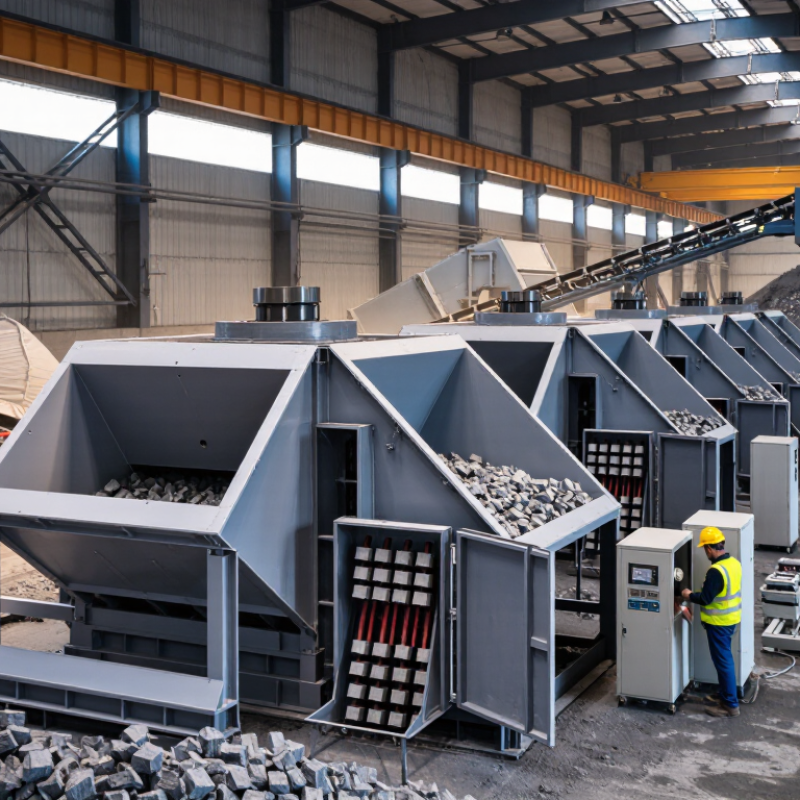
What Is a Hammer Crusher and How Does It Work?
How to Choose a Hammer Crusher in 2026?
A hammer crusher reduces rock, limestone, coal, and other brittle materials with rapidly rotating hammers. The rotor turns inside a chamber lined with impact-resistant plates. Feed material enters from above. Hammers strike it repeatedly, causing fractures along weak points. Smaller pieces pass through a grate or adjustable outlet. The final size depends on rotor speed, hammer shape, grate spacing, and material hardness.
In practical inspections, feed moisture often causes more trouble than expected. Wet material can stick inside the chamber and reduce capacity. Excessive fines may also increase dust and wear. Check the feed size, compressive strength, abrasiveness, and moisture before selecting a machine. A crusher for soft limestone may struggle with highly abrasive stone. That difference matters.
Look closely at the rotor balance and hammer mounting system. Uneven wear can create vibration, bearing damage, and unsafe operating conditions. Choose accessible inspection doors and replaceable wear parts. Energy use deserves attention in 2026, especially during long production shifts. Variable-speed control can help match output requirements, but it may add maintenance complexity. I have seen specifications look impressive while ignoring actual site conditions. That is a costly oversight. Leave room for doubt, and verify capacity through material tests, operating data, and supplier documentation.
Which Materials and Applications Suit a Hammer Crusher?
How to Choose a Hammer Crusher in 2026?
A hammer crusher suits materials that break under repeated impact. Limestone, gypsum, coal, and other moderately hard minerals are common examples. It can also process selected concrete debris after removing steel and other foreign objects. The best feed is relatively dry, brittle, and free from excessive clay. Moisture changes everything. Wet, sticky material may block the crushing chamber and reduce output.
Consider the application before choosing the machine. Cement plants often need controlled limestone sizing for stable kiln feed. Aggregate sites may use hammer crushing for fast production of smaller particles. In recycling operations, the crusher can reduce clean masonry waste for further screening. However, highly abrasive rock can wear hammers quickly. Very hard stone may also require a different crushing method. Testing a representative sample is more reliable than trusting a material name alone.
Check feed size, required output, moisture, and expected tonnes per hour. A larger inlet does not automatically mean better performance. Operators should inspect hammer wear, screen condition, vibration, and dust controls during every shift. Field experience shows that uneven feeding causes many avoidable problems. It is easy to overestimate capacity. A cautious selection based on measured feed conditions usually performs better than an impressive catalogue figure.
How to Match Crusher Capacity, Feed Size, and Product Requirements
How to Choose a Hammer Crusher in 2026?
Matching capacity, feed size, and product requirements should guide every crusher decision. A machine rated at 100 tonnes per hour may not deliver that rate with wet, sticky material. Check the actual feed, not only the catalog figure. Measure the largest rock, average moisture, and material hardness at the site. Then compare these values with the crusher’s inlet opening and recommended operating range. A practical capacity margin of 15% to 25% can reduce overloads and unstable production.
Tips: Confirm the required output size first. A 10-millimeter product needs different settings from a 30-millimeter product. Review the reduction ratio, screen arrangement, rotor speed, and discharge control together. Keep samples from different quarry zones because material can change quickly. Small details matter.
In field assessments, feed size often causes more trouble than motor power. Oversized rocks may force frequent stoppages, while excessive fines can reduce airflow and increase wear. Ask for tested performance under similar conditions, including moisture and hardness. Laboratory results help, but site trials reveal practical problems. I have seen selections fail because operators estimated feed size by eye. That mistake is easy to make. It is also expensive. Recheck the assumptions after several weeks of operation, because real production rarely matches the first spreadsheet.
Which Hammer Crusher Design and Features Fit Your Operation?
How to Choose a Hammer Crusher in 2026?
The right hammer crusher depends on your feed, product target, and daily operating conditions. USGS Mineral Commodity Summaries 2025 reported approximately 1.5 billion tons of crushed stone production in the United States during 2024. That scale shows why small design differences can create major maintenance costs.
Start with the material. Limestone usually accepts a different rotor speed than abrasive granite. Wet clay may block grates and reduce throughput. Measure the largest feed lump, moisture content, hardness, and desired discharge size before selecting equipment. A reversible rotor can help balance liner wear. Adjustable grates provide better control when product specifications change. Keep it practical.
For high-volume work, compare capacity at your actual feed size, not laboratory conditions. Check the motor power, rotor diameter, opening width, inspection access, and replacement time for hammers. The U.S. Department of Energy identifies comminution as a significant industrial energy user, so operating efficiency deserves attention alongside purchase price. A slightly smaller machine may perform better if it avoids overfeeding and unnecessary recirculation.
I would not choose a crusher from reduction ratio alone. Field conditions often expose weaknesses that brochures miss. Ask for test results using similar material and moisture. Record power draw, product grading, vibration, and liner wear during trials. The choice may still be imperfect, but measured evidence makes the risk visible.
How to Evaluate Safety, Maintenance, Cost, and Service Support
How to Choose a Hammer Crusher in 2026?
Choosing a hammer crusher in 2026 should begin with the material, not the catalog photograph. Record feed size, moisture, abrasiveness, and hourly tonnage from your actual site. A limestone test may behave differently from a wet, clay-rich feed. Ask for measured product curves, not optimistic estimates.
Safety needs equal attention. Check guarded belts, emergency stops, access platforms, lockout points, and dust-control connections. Operators should reach inspection doors without climbing over the machine. A small design detail can prevent a serious shortcut. During field inspections, I have seen maintenance access ignored until the first shutdown.
Maintenance costs often hide in downtime. Inspect rotor wear, hammer condition, bearings, liners, and discharge screens before signing a purchase order. Request replacement intervals, tool requirements, and realistic service hours. A crusher needing frequent hammer changes may cost more than its low purchase price suggests. Use a total-cost worksheet covering electricity, labor, wear parts, civil work, transport, and lost production. No estimate is perfect. Your feed can prove it wrong. Service support should be tested before an emergency occurs. Ask about technician response times, after-hours channels, remote diagnostics, training, drawings, and clear maintenance procedures. Record vibration, output, noise, and power draw during acceptance testing. If measurable commitments are avoided, treat that as a warning.
FAQS
It suits dry, brittle materials that break under repeated impact. Limestone, gypsum, coal, and moderately hard minerals are common examples.
It can process clean concrete debris after steel and foreign objects are removed. Screen the material afterward for controlled sizing.
Wet, sticky feed may block the crushing chamber and reduce output. Moisture changes everything. Test actual site material before choosing equipment.
Usually, no. Highly abrasive rock can wear hammers quickly, while very hard stone may need another crushing method.
Record feed size, moisture, abrasiveness, required product size, and hourly tonnage. A larger inlet does not guarantee better performance.
Check guarded belts, emergency stops, access platforms, lockout points, and dust-control connections. Operators should reach inspection doors safely.
Inspect hammers, rotors, bearings, liners, discharge screens, vibration, and dust controls every shift. Uneven feeding causes avoidable problems.
Include electricity, labor, wear parts, civil work, transport, and lost production. A low purchase price may hide expensive downtime.
Ask about technician response times, training, drawings, remote diagnostics, and maintenance procedures. Test support before an emergency occurs.
Request measured product curves and test representative samples. Record output, noise, vibration, and power draw during acceptance testing.
Not completely. Your feed can prove them wrong. Measured conditions usually matter more than impressive figures.
Conclusion
Choosing the right Hammer Crusher in 2026 starts with understanding how it works: rotating hammers strike incoming material against impact surfaces, reducing it into smaller pieces. This design is often suitable for brittle and moderately hard materials in applications such as aggregate production, mining, construction waste processing, and industrial material preparation. However, the best choice depends on the material’s hardness, moisture, abrasiveness, feed size, and desired final product.
Before selecting a machine, match its rated capacity with your expected workload and confirm that the feed opening can handle the largest input pieces. Consider adjustable discharge settings, rotor configuration, wear-resistant components, dust control, and energy efficiency. Safety guards, emergency stops, easy inspection access, and straightforward maintenance can improve daily operation and reduce downtime. Finally, evaluate total ownership cost rather than purchase price alone, including spare parts, routine service, operating power, technical support, and expected service life. A well-matched Hammer Crusher should deliver stable performance, manageable maintenance, and consistent product quality.

