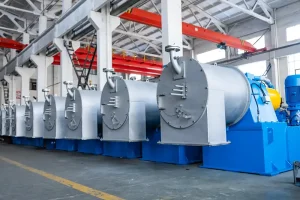
Integrated Processing Equipment Ecosystem
Comprehensive high-durability thermal, conveying, and separation equipment designed for continuous duty in chemically aggressive manufacturing lines.
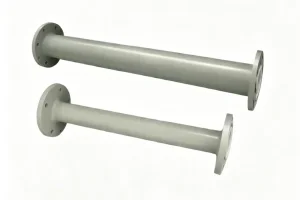
China PTFE Lined Pipe Products, Service
Explore Specifications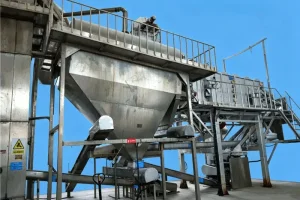
Custom Screening And Packaging Machinery. Multi-Level Vibrating Screen For Refined Salt, Automatic Packaging Machine For Refined Salt Products, Service
Explore Specifications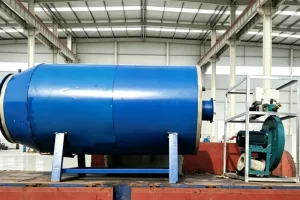
Custom Industrial Hot Air Furnace Product, Products
Explore Specifications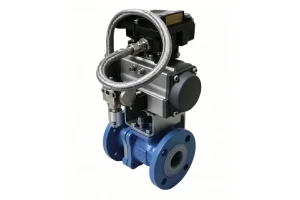
China PTFE-Lined Pneumatic Ball Valve Factories, Service
Explore Specifications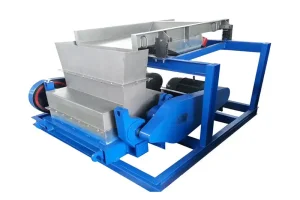
China Salt Roller Crusher, Double Roll Crusher For Salt Washing Plant, Salt Crushing Machine Factories, Service
Explore Specifications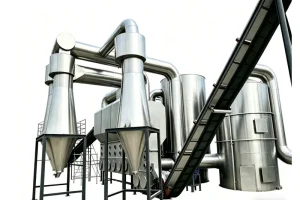
China Dihydrate Calcium Chloride Drying Equipment Factory, Product
Explore Specifications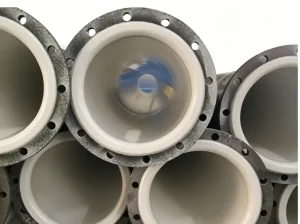
Custom PO/PE Lined Pipe Factory, Product
Explore Specifications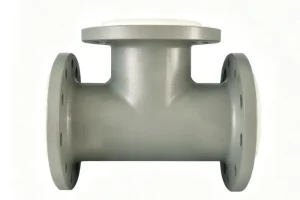
Custom PTFE Lined Tee Factory, Service
Explore SpecificationsRotocone Vacuum Dryer (RCVD) Engineering Principles
Thermodynamic low-temperature drying designed to eliminate product thermal degradation while optimizing heat transfer.
A Rotocone Vacuum Dryer (RCVD), also commonly referred to in chemical plant engineering as a double cone rotary vacuum dryer, is a batch drying system engineered for processing temperature-sensitive materials, oxidizable chemicals, active pharmaceutical ingredients (APIs), and fine crystalline solids. The machine operates under an intense vacuum environment, which fundamentally decreases the boiling point of the entrapped volatile liquids (such as water, ethanol, methanol, acetone, or methylene chloride). Through indirect conductive heat transfer applied via a jacketed vessel wall, drying occurs rapidly at significantly reduced thermal levels, preventing structural denaturation, lump formation, or thermo-chemical degradation of the core product.
The rotocone vessel is characterized by a central cylindrical shell with two conical ends, driven on a horizontal axis. As the dryer slowly revolves at controlled variable speeds (typically between 2 to 15 RPM), the entire bulk mass within undergoes a dynamic, continuous 3-dimensional rolling and axial folding motion. Unlike static vacuum tray dryers, where drying kinetics are limited by poor internal conduction, the continuous turnover in a rotocone system continuously brings unexposed particles into direct contact with the heated conical walls. This fluid tumbling ensures optimal batch homogeneity, avoids local hot spots, and cuts cycle times by 40% to 65% when compared to stationary methods.
Optimized Heat Transfer
Dual-tapered geometry creates consistent particle shearing and convection, allowing every grain direct exposure to heated conduction walls without mechanical agitation breakdown.
High Integrity Vacuum
Operates under absolute pressure ratings down to 0.5 mbar, vaporizing complex trapped moisture and toxic solvents without exceeding critical thermal breakdown temperatures.
Full Inert Containment
Closed-loop, fully contained drying cycle enables complete vapor condensation, safeguarding against volatile organic compound (VOC) emissions and toxic operator exposure.
China Factory Supply Chain Advantages & Manufacturing Depth
Combining heavy-industry raw material supply, comprehensive forging capacity, and world-class metallurgical metallurgy for advanced pressure vessel fabrication.
Metallurgical Sourcing
Direct domestic access to certified premium grade alloys—including 316L, 317L, Hastelloy C-276, Titanium Gr. 2, and specialized PTFE polymer linings—minimizes raw material procurement delays and reduces production lead time.
In-House Precision Tooling
Full-scale manufacturing facilities equipped with large horizontal CNC boring centers, multi-axis automated submerged arc welding (SAW), dynamic balancing beds, and internal vessel electropolishing bays.
Vertical Cost Optimization
Integration with surrounding regional supply chains for mechanical seals, explosion-proof gear motors, and instrumentation drops capital procurement expenditure by 30% to 50% compared to European builders without compromising component specifications.
China's advanced equipment manufacturing centers, notably within industrial hubs like Shandong Province, deliver unique benefits to chemical and pharmaceutical engineering firms worldwide. By hosting both primary metal smelting, localized alloy rolling mills, and world-class mechanical processing workshops within immediate geographic proximity, fabrication schedules for custom-designed rotocone vacuum systems (from 50-liter R&D units to 20,000-liter plant-scale giants) operate on accelerated delivery schedules that standard Western suppliers struggle to match.
Localized Engineering Support & International Compliance
Building high-reliability drying infrastructure certified to global safety and hygiene mandates.
| Regulatory Standard | Engineering Implementation | Quality & Validation Impact |
|---|---|---|
| ASME Boiler & Pressure Vessel (BPVC) | Section VIII Div. 1 design calculation, code stamping, radiographic weld inspection, and third-party hydrostatic pressure testing. | Guarantees structural safety of heating jackets and internal vessels under cyclical pressurized hot water/steam and full vacuum cycles. |
| cGMP & FDA 21 CFR Part 11 | Dead-leg-free internal geometry, orbital tube welding, automated clean-in-place (CIP) spray heads, and PLC audit logs. | Eliminates batch cross-contamination, simplifies clean validation protocols, and prevents batch traceability compromises. |
| ATEX & IECEx Directives | Zone 0/20 internal and Zone 1/21 external containment, anti-static seal materials, conductive grounding brushes, and flameproof instrumentation. | Mitigates explosion hazards when processing combustible fine chemical powders and flammable volatile solvent mixtures. |
| CE Marking (PED 2014/68/EU) | Compliance with European Pressure Equipment Directives and Machinery Directives, including localized risk mitigation sheets. | Ensures rapid customs clearing and seamless commissioning inside EU pharmaceutical and chemical facilities. |
To eliminate cross-border engineering risks, international shipments are backed by complete validation documentation packages (FAT/SAT protocols, Design Qualification, Installation Qualification, and Operational Qualification). Furthermore, our local-partner technical networks and traveling commissioning teams provide on-site operational alignment, laser shaft alignment, rotating mechanical seal calibration, and operator handover protocols to guarantee seamless production start-ups across Europe, North America, Southeast Asia, and the Middle East.
Application Scenarios & Emerging Global Market Trends
Adapting thermal dewatering to strict sustainability benchmarks, total solvent capture, and continuous-batch hybrid operations.
API & High Potency Compounds
Sanitary grade 316L rotocone dryers with mirror-finished internal chambers (Ra < 0.2 μm) ensure sterile processing and 100% discharge of potent pharmaceutical cakes without human exposure or residue.
Halides & Aggressive Inorganic Salts
Processing wet crystalline salts such as calcium chloride, magnesium chloride, and industrial bromine by-products using Hastelloy or high-bond fluoropolymer linings resistant to acidic stress corrosion cracking.
Zero Liquid Discharge (ZLD) Systems
Critical final concentration of concentrated hazardous wastes and mother liquors where volatile recovery is combined with mechanical condensation systems to close factory environmental loops.
Industry Shift Towards Digitalized Smart Drying: The global process industry is transitioning from legacy manual dryers to closed-loop automated Rotocone Vacuum Dryers. Key technological evolutions include the integration of in-line near-infrared (NIR) moisture sensors positioned inside the rotating axis, providing real-time data on residual solvent percentages without breaking vessel vacuum. Furthermore, integration with variable frequency drives (VFD) and intelligent load sensing algorithms prevents mechanical strain during phase-transition sticking phases (often experienced in crystalline and polymer drying regimes).
Frequently Asked Questions (FAQ)
Key technical considerations regarding Rotocone Vacuum Dryer design, engineering sizing, and integration.
How does an RCVD prevent powder carry-over into the vacuum system?
A specialized sanitary candle filter or cartridge filter is installed directly inside the stationary vacuum trunnion. The filter utilizes micron-rated sintered wire mesh or porous PTFE sleeves, paired with an automated nitrogen pulse-back blowdown system to continuously clean the filter during drying without interrupting operation.
What heating media can be utilized in the double-jacket system?
The jacket can be engineered for low-pressure steam, pressurized hot water, or circulating thermal oil (for high-temperature operations up to 250°C). For strict thermal regulation, multi-zone baffle jackets are utilized to maintain laminar fluid velocity, ensuring uniform surface temperature across both cones.
What is the standard filling capacity for optimal batch turnover?
Standard design filling volume ranges from 35% to 55% of the total vessel volume. Operating above 60% inhibits dynamic 3D bulk motion and blocks vapor disengagement, significantly increasing cycle times, while underfilling below 20% reduces operational thermal efficiency.
How are toxic, flammable, or expensive solvents recovered?
The vacuum discharge stream passes directly into a secondary shell-and-tube or spiral condenser linked to a closed receiver tank. Operating under sustained high vacuum allows up to 99.8% recovery efficiency of valuable solvents, keeping operating emissions well within industrial compliance.
Comprehensive Chemical Machinery & Infrastructure Lines
Complete fluid management, high-performance separation, and anti-corrosive pipeline solutions.
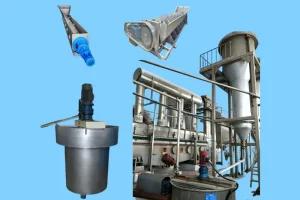
China Water Washing Salt Equipment, Salt Purification Machine, Refined Salt Production Line, Industrial Salt Washing Plant, Edible Salt Processing Equipment Factories, Products
Explore Specifications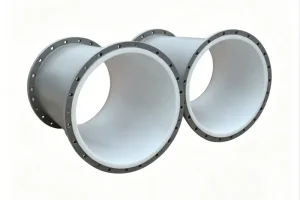
China PTFE Lined Tower Section Factories, Products
Explore Specifications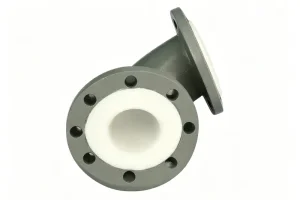
China PTFE Lined Elbow Product, Products
Explore Specifications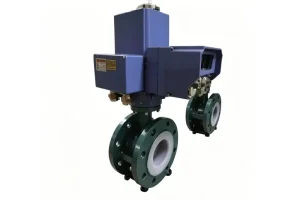
China PTFE-Lined Electric Butterfly Valve Factory, Service
Explore Specifications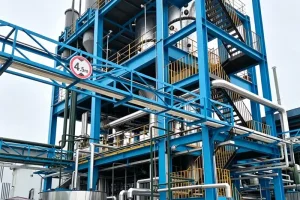
Custom Magnesium Chloride Equipment Product, Service
Explore Specifications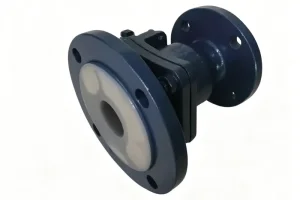
China PTFE-Lined Bottom Discharge Valve Products, Service
Explore Specifications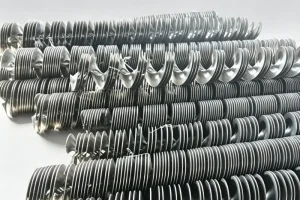
Custom One-Time Formed Cold-Rolled Screw Flight | Harvester Auger Blade Products, Service
Explore Specifications