Primary Engineered Process Systems
High-precision bulk processing equipment, corrosion-resistant fluoropolymer modules, and continuous sorting conveyancing assemblies manufactured under rigorous ISO 9001:2015 quality standards.
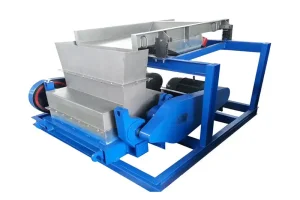
China Salt Roller Crusher, Double Roll Crusher For Salt Washing Plant, Salt Crushing Machine Factories, Service
Explore Machinery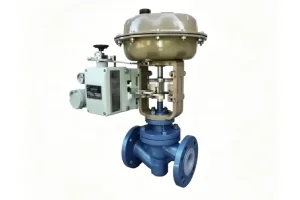
Custom PTFE-Lined Control Valve Product, Service
Explore Valve Tech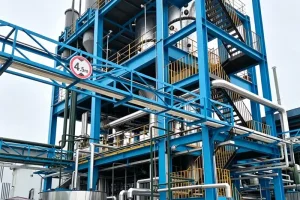
Custom Magnesium Chloride Equipment Product, Service
Explore Chemical Plant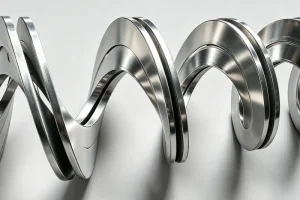
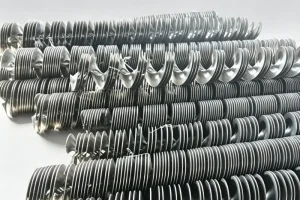
Custom Stainless Steel Screw Flight for Solid-Water Separation Equipment Factories, Factory
Explore Screw Flight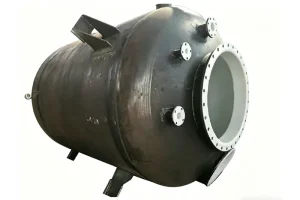
China PO/PE Lined Tank Products, Service
Explore Storage Tank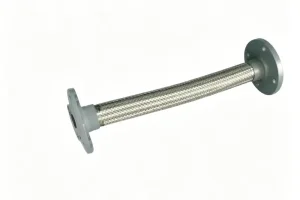
China PTFE-Lined Flexible Hose Factories, Service
Explore Flexible Hose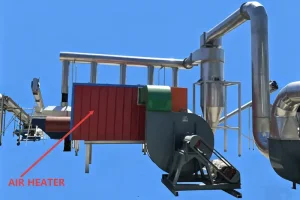
China Professional Salt Drying Machinery Products, Service
Explore Dryers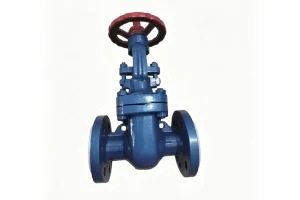
Custom PTFE-Lined Gate Valve Factories, Factory
Explore Gate ValveSorting Conveyor Belt Global Industrial State & Demand Vectors
The global market for industrial sorting conveyors has evolved from rudimentary mechanical transport into high-velocity, sensor-fused logistics and chemical separation networks, projected to exceed USD 14.8 billion by 2030.
Across the international industrial landscape, automated sorting conveyor belts represent the central circulatory system of modern manufacturing, salt-chemical mineral refining, agricultural harvesting, and intralogistics. As global trade volumes expand, traditional material handling paradigms encounter severe operational bottlenecks: escalating labor costs, downtime caused by premature mechanical abrasion, corrosive degradation from acidic or hypersaline compounds, and inadequate throughput rates. Consequently, tier-1 EPC contractors, industrial plant operators, and procurement managers in North America, Europe, the Middle East, and Southeast Asia are transitioning toward customized, high-durability modular sorting conveyor systems capable of continuous 24/7/365 uninterrupted runtime.
In corrosive mineral processing—specifically crude sea salt harvesting, bitter brine purification, bromine extraction, and calcium/magnesium chloride crystallization—conveyance lines must operate under exceptionally hostile chemical vectors. Standard polyurethane (PU) or plain nitrile rubber belts suffer rapid embrittlement, chloride stress corrosion cracking, and carcass delamination when exposed to saturated NaCl liquors, acidic bromides, and abrasive rock salt minerals. This has triggered an unprecedented surge in demand for specialized multi-ply composite sorting belts combining food-grade non-stick polymers, anti-static electrostatic discharge (ESD) formulations, cold-rolled abrasion-resistant flighting, and PTFE/PE fluoropolymer lined structural guides.
Why Global EPC Buyers Source Sorting Conveyors from Chinese Clusters
China’s specialized equipment fabrication centers, notably concentrated within coastal Shandong's Binhai Economic and Technological Development Zone, provide unprecedented vertical integration, precision manufacturing speed, and cost-to-performance superiority.
Full-Stack Upstream Integration
Raw polymer compounding, continuous vulcanization presses, cold-rolled screw forming lathes, and robotic carbon-steel frame welding exist within a 30-kilometer ecosystem, compressing procurement lead times by up to 55% compared to Western counterparts.
Rigorous Empirical Testing
Located adjacent to Bohai Bay's extensive marine brine extraction plants, Chinese manufacturers subject sorting conveyor belts to live in-situ saline washing runs, validating tensile elasticity, roller bearing seal integrity, and chemical inertness under actual working loads.
Tailored Turnkey EPC Scope
Rather than shipping isolated spare parts, Chinese factories supply cohesive sorting lines integrating roller crushers, multi-deck vibrating screens, stainless screw flights, and fluoropolymer-lined valves under unified project management contracts.
Sorting Conveyor Belt Technical Architecture & Carcass Formulations
Engineered to resist dynamic mechanical impact, cyclic flexural stress, and acidic/saline chemical attack across high-load sorting circuits.
| Conveyor Classification | Carcass Architecture | Elastomer / Polymer Compound | Tensile Rating (N/mm) | Operating Temperature Range | Ideal Industrial Applications |
|---|---|---|---|---|---|
| Heavy-Duty Saline Sorting Belt | EP Polyamide / High-Tenacity Polyester (3 to 5 Plies) | EPDM + Chloroprene (Halogenated Anti-Corrosion) | 630 – 2,000 N/mm | -25°C to +110°C | Salt Washing Lines Crude Evaporite |
| Food-Grade Pure Refining Belt | Monofilament Weft Static-Interwoven Polyester | Pure Virgin Polyurethane (FDA/EC Compliance) | 120 – 450 N/mm | -20°C to +80°C | Edible Salt Packaging Food Processing |
| Corrosive Chemical Sorter Belt | Aramid Mesh Core / Cross-Stabilized Steel Cord | PTFE-Infused Fluorocarbon Rubber Coating | 1,000 – 3,150 N/mm | -40°C to +160°C | Bromine Recovery CaCl₂ / MgCl₂ Processing |
| High-Speed Automated Logistics Belt | Low-Noise Elastic PU Carcass with Carbon ESD Fibers | High-Friction Grip Top Nitrile Elastomer | 160 – 600 N/mm | -15°C to +70°C | Cross-Belt Sorters Airport & Parcel Hubs |
| Heavy Mineral & Ore Cleated Sorter | Multi-Ply Steel Weave (IWRC Reinforcement) | Severe Cut & Gouge Resistant Natural/SBR Blend | 800 – 2,500 N/mm | -30°C to +90°C | Quarry Extraction Crusher Infeed Circuits |
The structural longevity of any sorting conveyor belt depends upon the vulcanization bond strength between the tension-bearing core fabric and the protective cover elastomer. In salt-chemical and mineral processing environments, Ruitu engineers deploy advanced hot-vulcanized interlocking skive splices rather than mechanical metal fasteners. Metal fasteners are prone to catastrophic localized galvanic corrosion in brine and bitter liquor atmospheres. By fusing multi-ply EP carcasses with halogen-resistant elastomer vulcanization cement, Chinese sorting belts provide high joint efficiency, eliminating snagging risks along high-frequency scraper blades and optical sorting camera tunnels.
Localized Application Environments & Field Engineering Paradigms
From harsh coastal brine crystallization to ultra-clean pharmaceutical grading, discover how our custom-engineered conveyor configurations solve complex material handling obstacles.
Crude Salt Washing & Hydro-Cycloning Plants
Conveyors endure massive gravitational loads of raw, unwashed rock or sea salt containing insoluble clays, magnesium sulfate, and free hydrochloric moisture. Specialized deep-troughed impact-absorbing idlers and high-chevron cleated belts prevent slurry slippage and transport dense materials directly into double-roll crushers and hydro-cyclone wash circuits without spillage.
Bromine Chemical Extraction & Acid Processing
Gaseous chlorine, hydrobromic acid vapors, and concentrated acidic liquors rapidly degrade standard factory equipment. Conveyors designed for this environment feature enclosed aerodynamic covers, PTFE-lined chutes, and non-sparking anti-static rubber belts that maintain elasticity despite direct exposure to oxidizing chemical aerosols.
Magnesium & Calcium Chloride Evaporative Drying
High-temperature flaking machines and rotary drying drums discharge molten or highly concentrated dehydrating flakes at temperatures exceeding 120°C. Heat-resistant sorting belts formulated with cured synthetic elastomers resist hardening, surface cracking, and thermal shrinkage during transport from fluid bed dryers to packaging bunkers.
Optical Vision Sorting & AI Particle Classification
In food-grade salt and precision mineral grading, high-speed multi-spectral cameras require homogeneous, non-reflective, flat conveyor surfaces operating at speeds up to 4.5 m/s. Precision tracking V-guides keep the belt aligned across microsecond pneumatic ejection nozzles that sort out foreign discolored contaminants.
Technological Trends Reshaping Conveyor Belt Automation
The intersection of IoT condition monitoring, energy-optimized drive drums, and smart modular fabrication defines the next decade of material handling operations.
Embedded RFID & Carcass Rip Detectors
Modern premium conveyor belts incorporate vulcanized micro-transponders and continuous conductive wire loops. In the event of a sharp tramp metal puncture, the system instantly detects an electromagnetic discontinuity and triggers an emergency stop within 150 milliseconds, preventing cataclysmic lengthwise tearing.
Low Rolling Resistance (LRR) Rubber
Up to 60% of a long-distance conveyor’s energy consumption results from continuous indentation losses as the rubber cover flexes over rotating idlers. Advanced polymer compounds engineered with nano-silica structures decrease the loss factor (tan δ), reducing overall kilowatt-hour energy demand by 18% to 25% across heavy bulk handling facilities.
Modular Interlocking Plastic Belting
For sanitary food salt grading, pharmaceutical chemical crystallization, and washdown environments, modular injection-molded POM and PP interlocking belts eliminate fabric tension loss entirely. Driven by positive sprockets, they run dry without lubrication, eliminate belt wander, and allow rapid snap-in replacement of damaged modules.
Engineering RFQ Blueprint: Critical Inputs for Procurement Teams
Procuring industrial sorting conveyors without precise chemical, mechanical, and spatial data risks plant downtime and early material failure. Use this specification checklist when requesting engineering proposals.
1. Material Bulk Density & Granulometry
Provide lump size distribution (minimum, nominal, and maximum lump size in mm), bulk density in tons/m³, internal friction angle, and flowability index. Large, jagged crushed rock salt necessitates heavy-ply breaker fabrics to absorb vertical chute drop shock.
2. Chemical & Liquid Corrosivity Profile
Specify pH levels, presence of free halogens (Br₂, Cl₂), sulfate/carbonate ratios, and ambient moisture percentages. For acidic slurries, specify PTFE lining for chutework and vulcanized rubber compounded with chlorinated polyethylenes.
3. Velocity, Center Distance & Angles
Define pulley center-to-center length, vertical lift inclination angle, belt speed (m/s), and throughput requirements (tons per hour). Inclines steeper than 18° handling wet washed salt require molded chevron ribs to prevent gravitational back-slipping.
4. Motor Drive & Drive Drum Protection
Specify electrical classification (ATEX, IECEx, or NEMA enclosure ratings), variable frequency drive (VFD) compatibility, and ceramic pulley lagging requirements to eliminate belt slippage in water-logged, saline operating environments.
Turnkey EPC Engineering: From Brine Testing to Production Buy-Back
Eliminating contractor interface risks through single-source accountability. Weifang Ruitu Automation Equipment Co., Ltd. coordinates every engineering milestone across your industrial project lifecycle.
Phase 1: Laboratory Assay & Site Survey
Technicians analyze feedstock brine and raw salt mineral composition (NaCl, Bromide, Ca²⁺, Mg²⁺, sulfates, and insolubles), preparing comprehensive mass-balance flowcharts, plant layout designs, and CAPEX/OPEX forecasts.
Phase 2: In-House Fabrication & Assembly
Core machinery—double roll crushers, fluidized bed dryers, multi-deck vibrating screens, continuous conveyors, and fluoropolymer-lined control valves—is fabricated in our 28,000 m² workshop, undergoing rigorous pre-shipment dry runs.
Phase 3: Global On-Site Commissioning
Field service engineers deploy directly to international customer sites, supervising civil alignment, electrical wiring, hydraulic piping, dynamic belt vulcanization, and continuous test runs until target throughput is achieved.
Phase 4: Operator Training & Life Cycle Care
We provide hands-on operator maintenance training, real-time remote telemetry diagnostics, rapid OEM spare parts fulfillment, and long-term chemical output buy-back agreements to protect and de-risk your investment capital.
Frequently Asked Questions on Sorting Conveyors & Chemical Machinery
Detailed technical explanations addressing critical procurement, operating tolerances, corrosion mitigation, and operational commissioning considerations.
How do Chinese sorting conveyor belts resist severe chloride corrosion in salt washing plants?
Traditional belts fail in salt processing due to saline capillary moisture penetration that corrodes internal reinforcement plies and causes premature delamination. Our specialized salt washing conveyor belts utilize closed-edge multi-ply synthetic EP (polyester warp, polyamide weft) carcasses sealed inside thick, non-porous EPDM and chlorinated polyethylene elastomer matrices. These polymers are compounded with anti-aging paraffin inhibitors, ensuring absolute resistance to aqueous chloride ions, high-salinity brines, and fluctuating pH levels (pH 2.0 to 12.0) without hardening or cracking.
What is the difference between EP carcass, Aramid, and Steel-Cord sorting conveyor belts?
EP (Polyester-Polyamide) belts offer superior flexibility, high impact absorption, and excellent troughability for medium center distances (up to 500 meters) and general bulk conveyance. Aramid core belts provide extreme tensile strength with negligible elongation and high thermal resistance, making them ideal for high-temperature chemical dryers. Steel-cord belts offer maximum tensile ratings (up to ST-6300 N/mm) with minimal elongation (<0.2%), designed for heavy-tonnage mining and overland conveyor systems spanning multiple kilometers.
Can sorting conveyor lines integrate directly with automated optical inspection and reject kickers?
Yes. Our conveyor platforms feature precision-machined slider beds, servo-driven high-resolution encoder synchronizers, and non-reflective, anti-static PU surfaces. This allows high-speed lines (operating up to 4.5 m/s) to synchronize seamlessly with AI camera recognition units, near-infrared (NIR) sensors, and high-frequency solenoid air ejector nozzles to separate discolored contaminants, clays, or off-spec granules with millisecond timing.
How does Weifang Ruitu handle complete EPC project delivery for overseas facilities?
Our turnkey EPC services eliminate contractor interface risks by coordinating all disciplines under a single contract. We manage raw feed analysis, thermodynamic balance design, civil engineering planning, mechanical fabrication, export crating, ocean shipping logistics, on-site mechanical erection, electrical instrumentation commissioning, operator training, and performance testing. We remain on site until your plant reaches designed daily throughput capacity.
Why are PTFE-lined valves and fittings necessary in salt-chemical conveyor transfer circuits?
During the washing, hydro-cycloning, and drying stages of chemical processing, acidic brines and halogen fumes create highly aggressive chemical environments. Standard 304 or 316L stainless steel valves and piping frequently suffer localized pitting and stress corrosion cracking. By lining ductile carbon-steel pressure bodies with virgin isostatically molded PTFE/PFA, our valves provide near-complete chemical inertness while maintaining full mechanical pressure ratings up to PN25.
What maintenance practices maximize the working lifespan of continuous sorting belts?
Key preventative protocols include: (1) ensuring dual primary-secondary polyurethane belt scrapers maintain uniform blade-to-belt contact without gouging; (2) using vulcanized ceramic lagging on drive pulleys to eliminate abrasive micro-slippage; (3) aligning troughing idler sets with laser levels to prevent edge mistracking; and (4) performing periodic hot-vulcanized splice inspections to catch micro-abrasions before water ingress compromises the tensile carcass.
What parameters are required to calculate the exact motor horsepower and belt tensile rating?
To accurately size your conveyor drive, provide: (1) maximum mass throughput in metric tons per hour (t/h); (2) horizontal center distance and vertical elevation change; (3) ambient temperature extremes; (4) chosen idler roll diameter and trough angle (20°, 35°, or 45°); (5) skirtboard contact length and friction coefficient; and (6) cleaning system blade drag ratings. We calculate required drive power and belt ratings using DIN 22101 and CEMA standard methodologies.
Corrosion-Resistant Fluid Handling & Conveying Hardware
Complete your plant conveyance and mineral washing infrastructure with our custom PTFE-lined piping components, filtration assemblies, and precision screw flights.
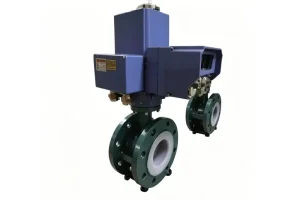
China PTFE-Lined Electric Butterfly Valve Factory, Service
Explore Valve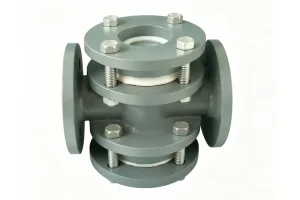
Custom PTFE Lined Sight Glass Pot Factories, Product
Explore Sight Glass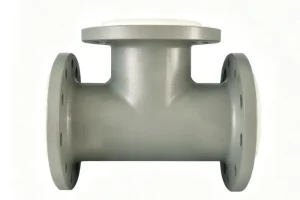
Custom PTFE Lined Tee Factory, Service
Explore Lined Tee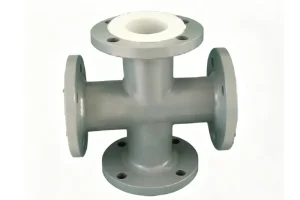
China PTFE Lined Four-Way Factories, Products
Explore Four-Way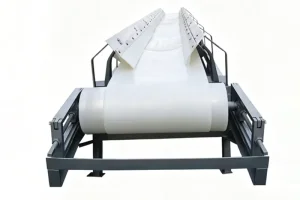
Custom Heavy-Duty Conveyor Belt For Salt Washing Production Line, Anti-Corrosion, Wear-Resistant, Food-Grade Material Factory, Product
Explore Salt Belt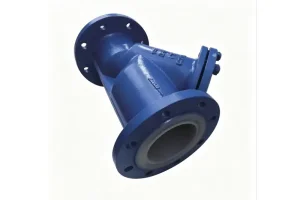
Custom PTFE-Lined Y-Strainer Factories, Factory
Explore Y-Strainer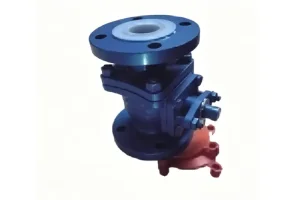
Custom PTFE-Lined Ball Valve Factory, Product
Explore Ball Valve